Research Project
AEM Electrode and Membrane Enhancements

Technology Readiness Level
TRL 1–2 Early stages of innovation focused on foundational science and concept formation
 Energy Generation and Storage
Improving electrodes and membranes for AEM electrolyzers
We are working to develop improved electrodes and membranes for AEM (anion-exchange membrane) electrolyzers—a type of water electrolyzer that produces hydrogen using electricity and an ion-conducting membrane. The goal is to support efficient, durable green hydrogen production using materials and designs that can be practical to manufacture and operate.
Project Goals
Enhancing Anion-Exchange Membranes
This project aims to improve key components in AEM electrolyzers, focusing on electrode architectures and membrane performance factors that influence efficiency, durability, and real-world operability. We study how materials choices and component designs affect transport, stability, and performance over time, using testing approaches that support clear, down-selection decisions. The objective is to accelerate progress toward AEM component solutions with credible pathways to scalable deployment.
Applications
- Industrial Decarbonization: Green hydrogen production can help hard-to-abate sectors like refining, ammonia, and steel can reduce industrial emissions at scale.
- Renewable Energy Storage: Converting excess solar and wind power into hydrogen can provide long-duration energy storage and grid flexibility.
- Distributed Hydrogen Production: Supporting on-site hydrogen generation for fuelling stations, ports, and remote facilities can help them improve reliability and lower system costs.
Project Status
- TRL 1–2: Early stages of innovation focused on foundational science and concept formation
Why it Matters
AEM electrolyzers are a promising pathway to affordable, scalable green hydrogen, but their viability depends on overcoming materials and durability challenges. By improving electrode architectures and membrane performance, this work addresses efficiency losses, degradation, and transport limits that constrain lifetime and cost. Advancing these components is essential for industrial competitiveness, renewable integration, and supplying low-carbon hydrogen to hard-to-electrify sectors.
Project Team
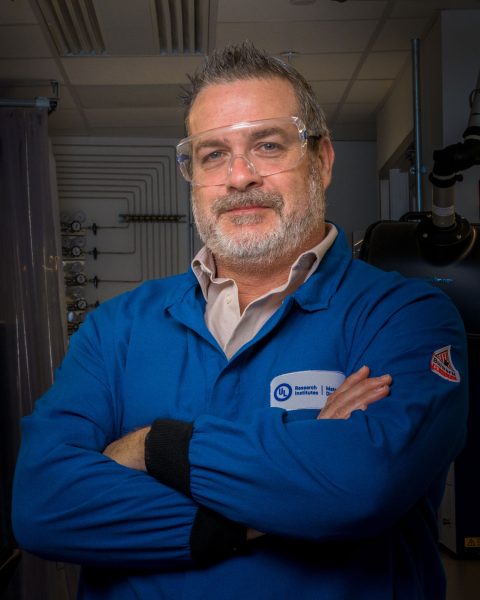
Jorge González, Ph.D.

Sara Williams
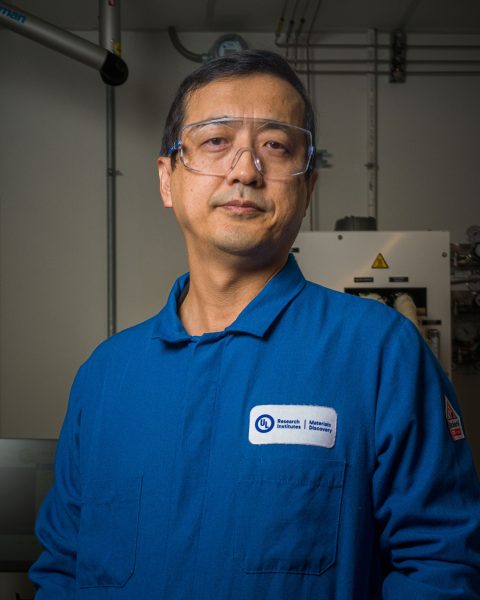
Jeff Wu, Ph.D.

Haley Tholen, Ph.D.
Soojin Zeman, Ph.D.
Uzoma Nwabara, Ph.D.