


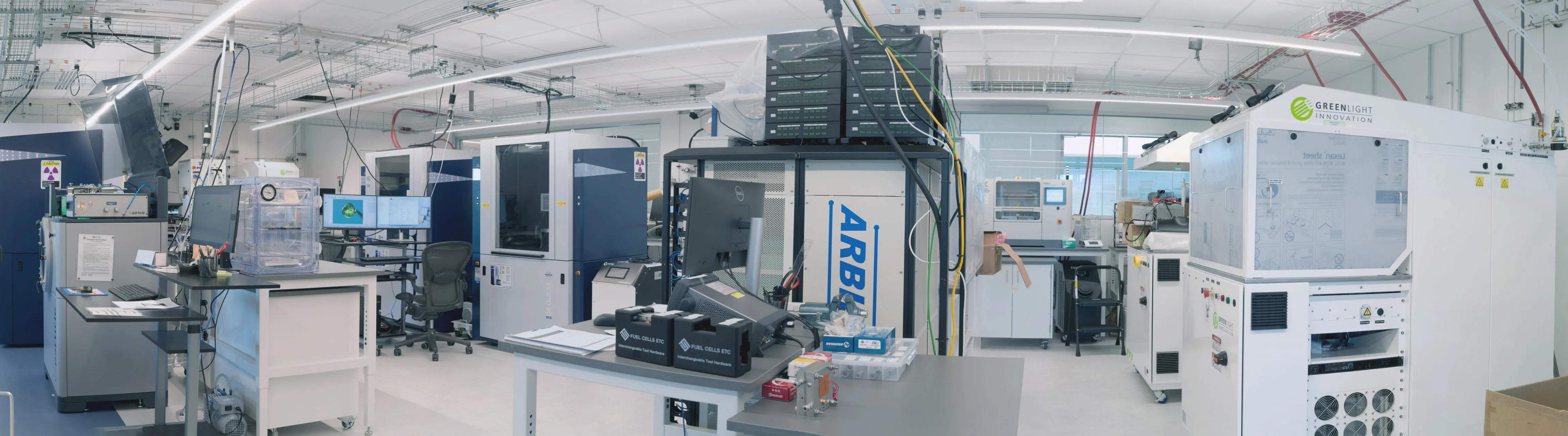
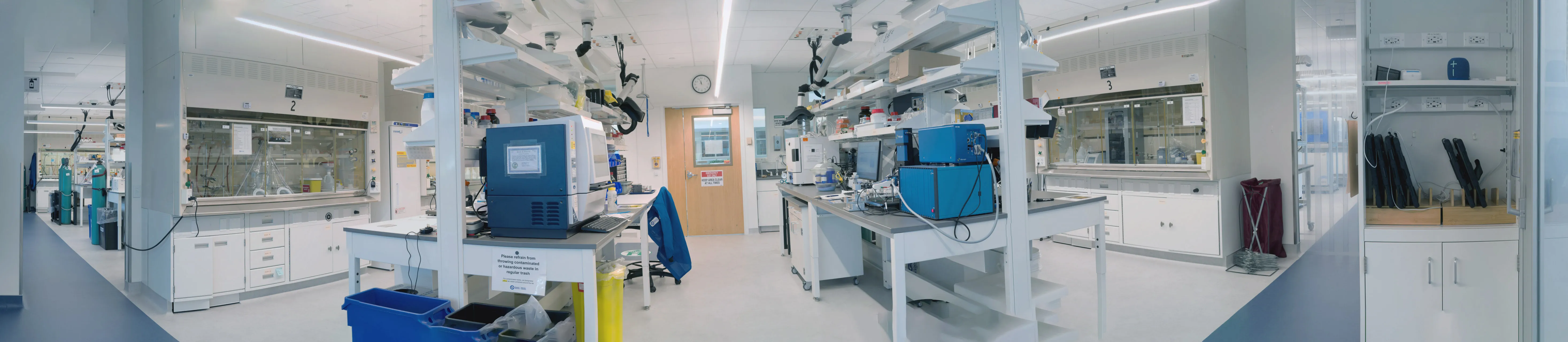
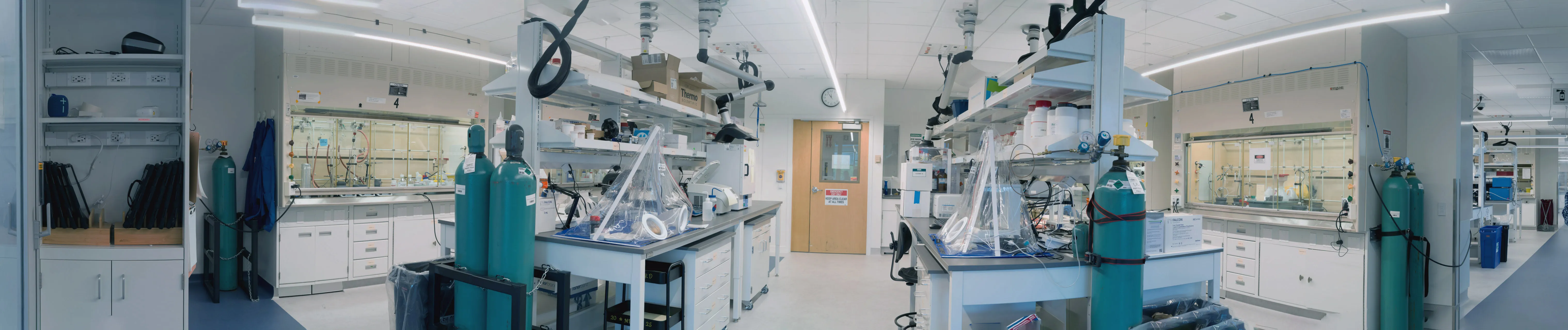
The characterization lab specializes in determining the composition, structure, and performance of advanced materials using state-of-the-art instrumentation. It transforms experimental samples into precise, high-quality data to accelerate discovery and inform the lab’s AI-driven research systems.
Lab
A Physical AI Platform for Breakthrough Materials
UL Research Institute's Materials Discovery lab is a fully digital, AI-native facility built to drastically accelerate materials discovery. With integrated data capture, automation, and robotics, it transforms traditional research into a rapid, real-time innovation engine.

Tour The Lab Virtually

A Physical AI Hybrid
A new model for materials discovery
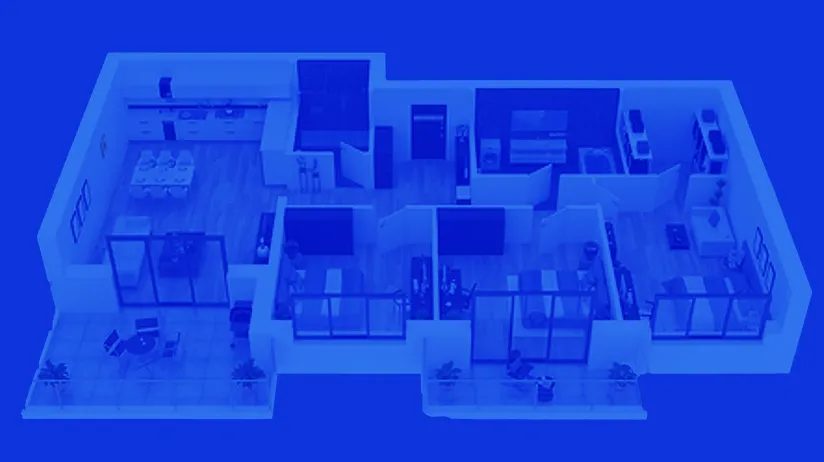
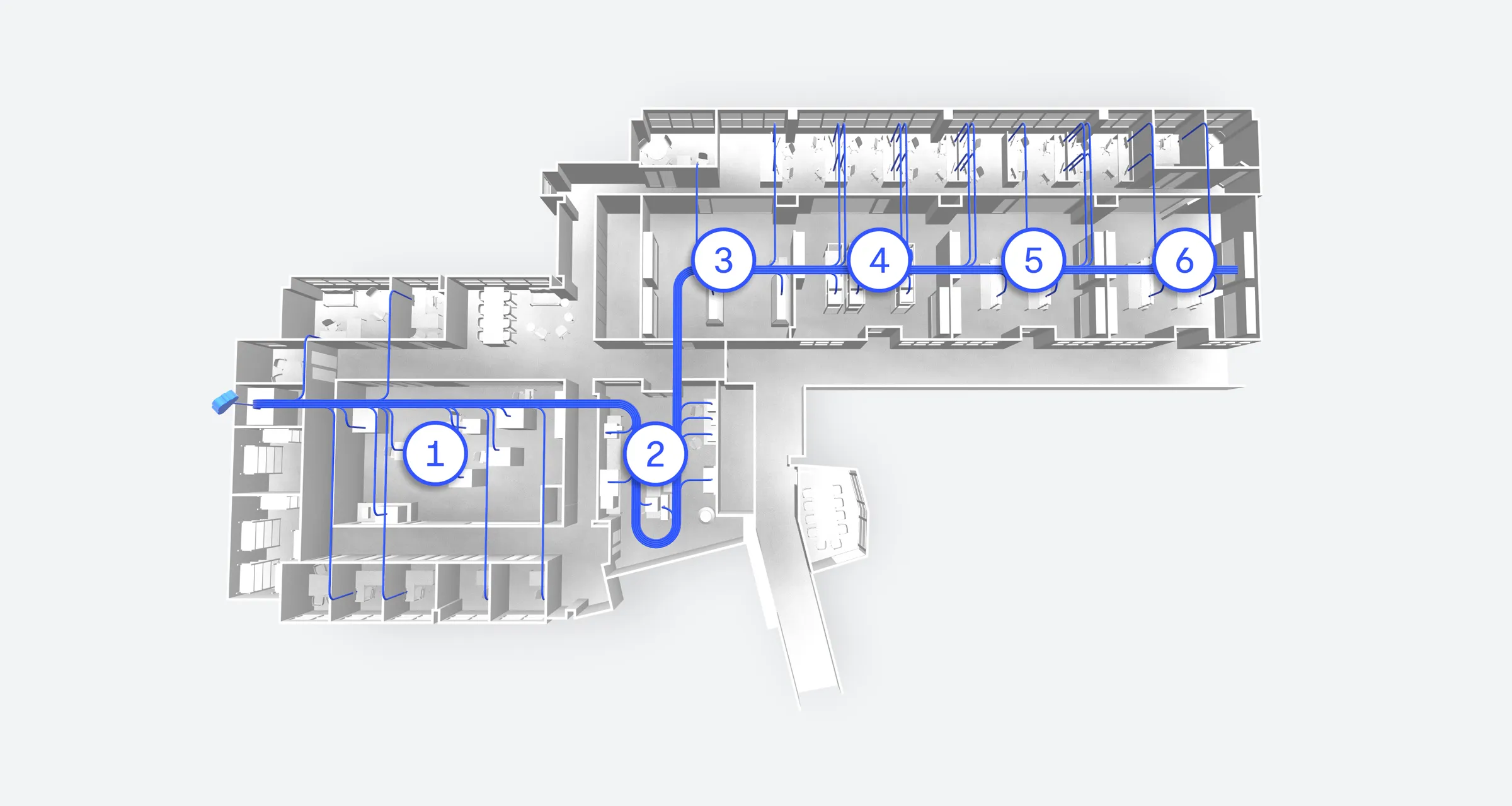
ULRI's Materials Discovery lab is reshaping the way materials are discovered and developed. As the world’s first AI-native lab, it captures data across every stage of discovery, from molecular modeling to device fabrication, integrating automation, robotics, and computational chemistry into one unified system. This approach accelerates breakthroughs and delivers a faster, more scalable path from concept to real-world impact.
Lab Legend

Physical Structure

Data Infrastructure
explore lab
Rotate Lab
Tap

to explore lab
Back to Map

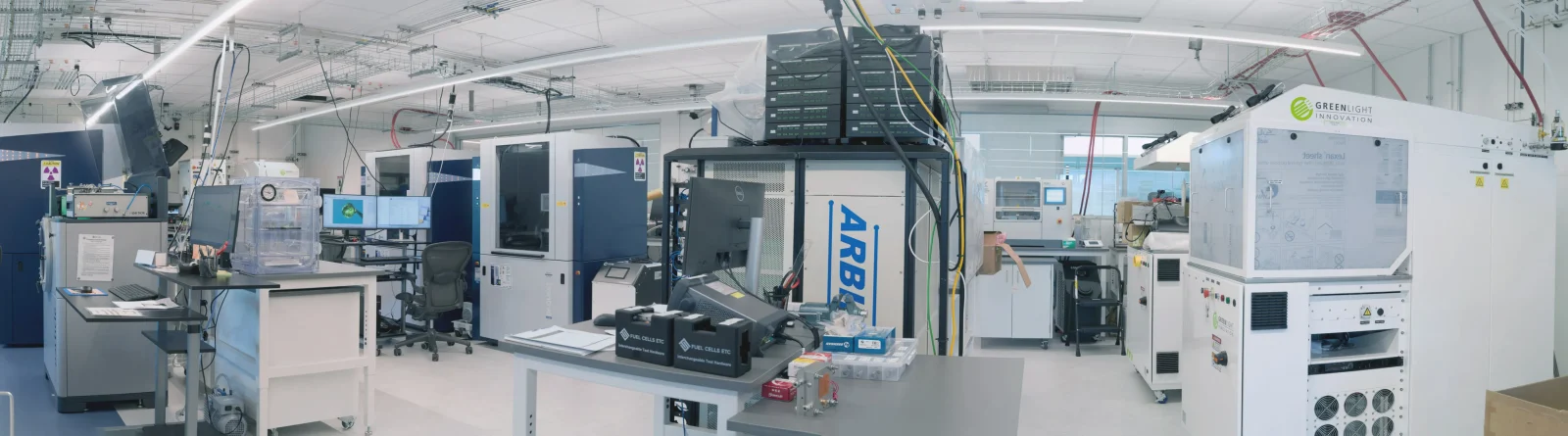
Characterization Lab
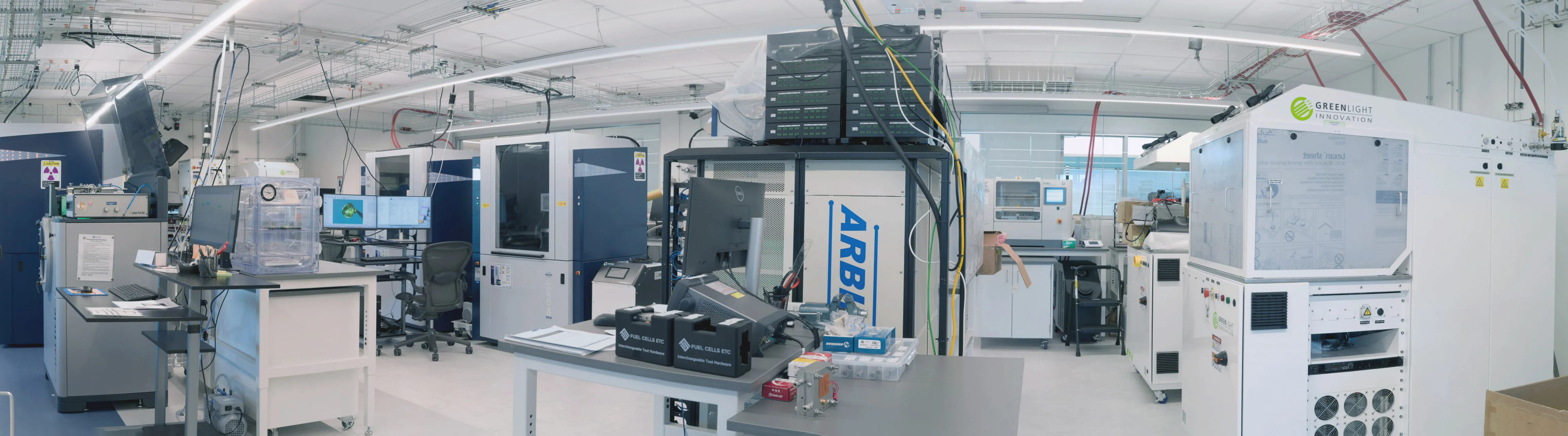
Explore the equipment
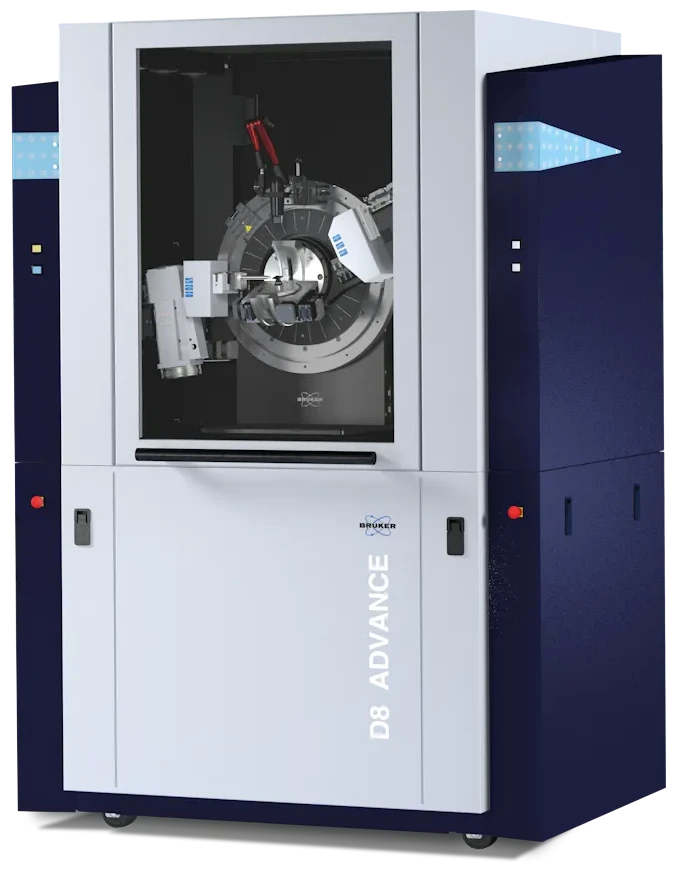
Bruker AXS D8 ADVANCE X-Ray Diffraction
This is a modular diffractometer with DAVINCI plug-and-play architecture, enabling rapid configuration changes for phase identification and quantification analysis, and residual stress, texture, and crystallite size and micro strain studies. It is equipped with a LYNXEYE XE-T detector, TWIN optics, a Mo x-ray tube, and a HIGHTEMP temperature chamber (maximum T 1200oC) for in-situ study under air, vacuum, or gas. The large-scale, multifunctional X-ray diffractometer provides a comprehensive view of material structure. It supports advanced analyses such as phase identification and quantification, residual stress measurement, texture characterization, crystallite size and microstrain evaluation, and the study of structural changes as a function of temperature.
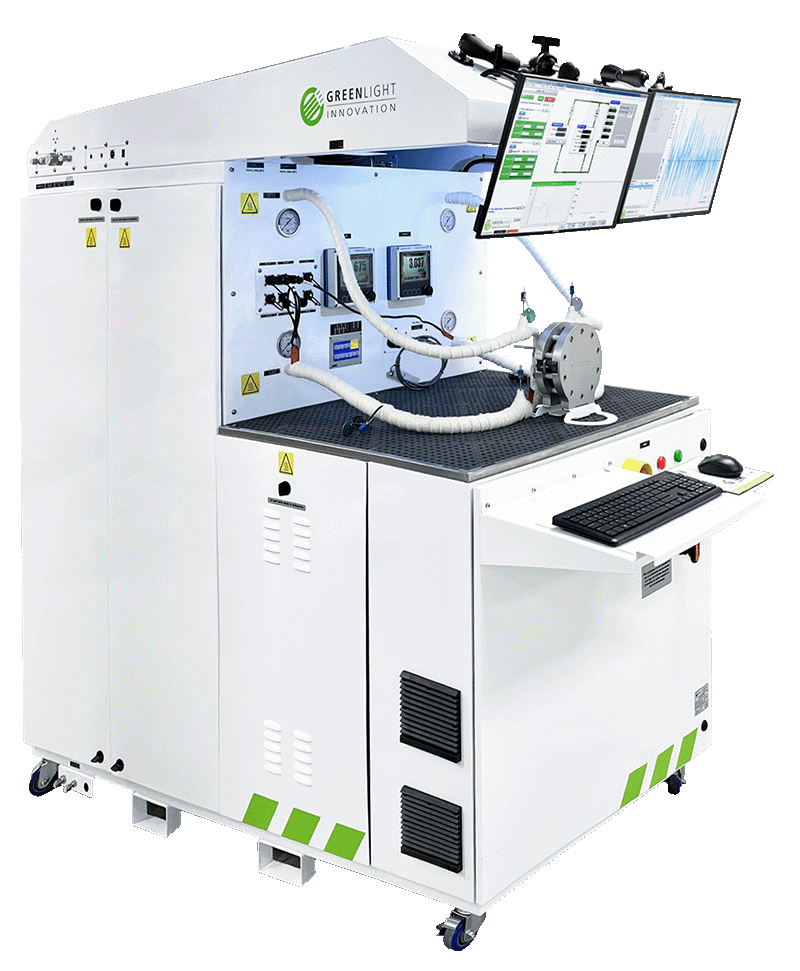
Greenlight Innovation E40-PEM Water Electrolyzer Test Station
The E40-PEM is a modular acidic PEM electrolyzer that tests systems with configurable cell and stack operations (up to 6V and 110A). It has integrated gas and water management, temperature control, and automated safety interlocks. It produces hydrogen and oxygen by splitting water using electricity — essential for renewable hydrogen research.
Greenlight Innovation E40-AEM Water Electrolyzer Test Station
The E40-AEM is a modular alkaline AEM electrolyzer that tests systems with configurable cell areas and stack operations (up to 8V and 100A). It has integrated gas and water management, temperature control, and automated safety interlocks. It produces hydrogen and oxygen by splitting water using electricity — essential for renewable hydrogen research.
Greenlight Innovation G20 PEM Fuel Cell Test Station
These are fully-integrated test stands for single-cell fuel cells, supporting up to a 100W load and 80A. They provide automated flow, temperature, and humidification control with data acquisition and safety interlocks. They simulate real-world operating conditions for hydrogen fuel cells to evaluate efficiency and durability.
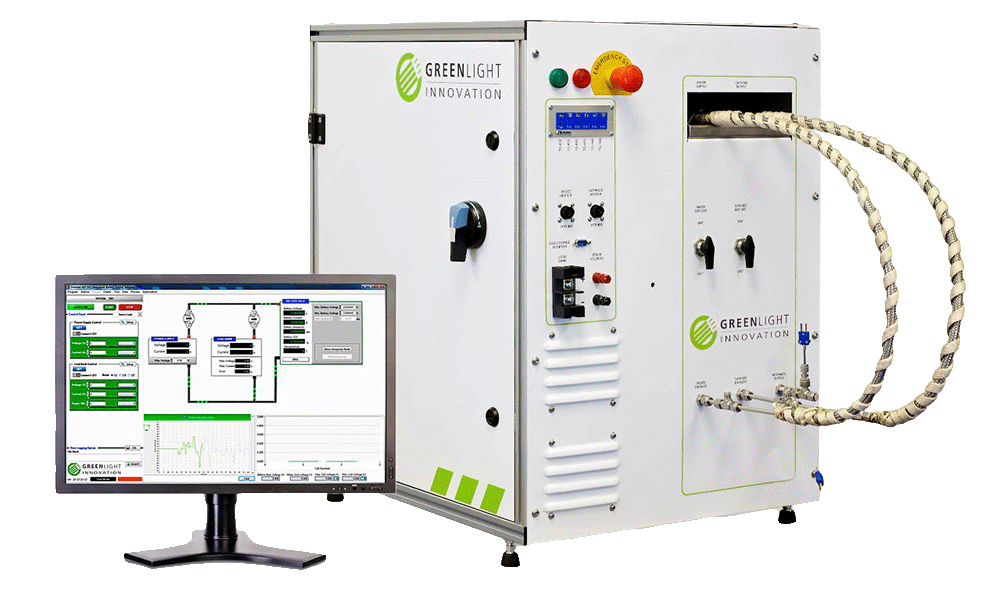
Greenlight Innovation G60 PEM Fuel Cell Test Station
The G60 PEM Fuel Cell Test Station is a fully-integrated test stand for single-cell and stack fuel cells, supporting up to a 650W load and125A. They provide automated flow, temperature, and humidification control with data acquisition and safety interlocks. They simulate real-world operating conditions for hydrogen fuel cells to evaluate efficiency and durability.
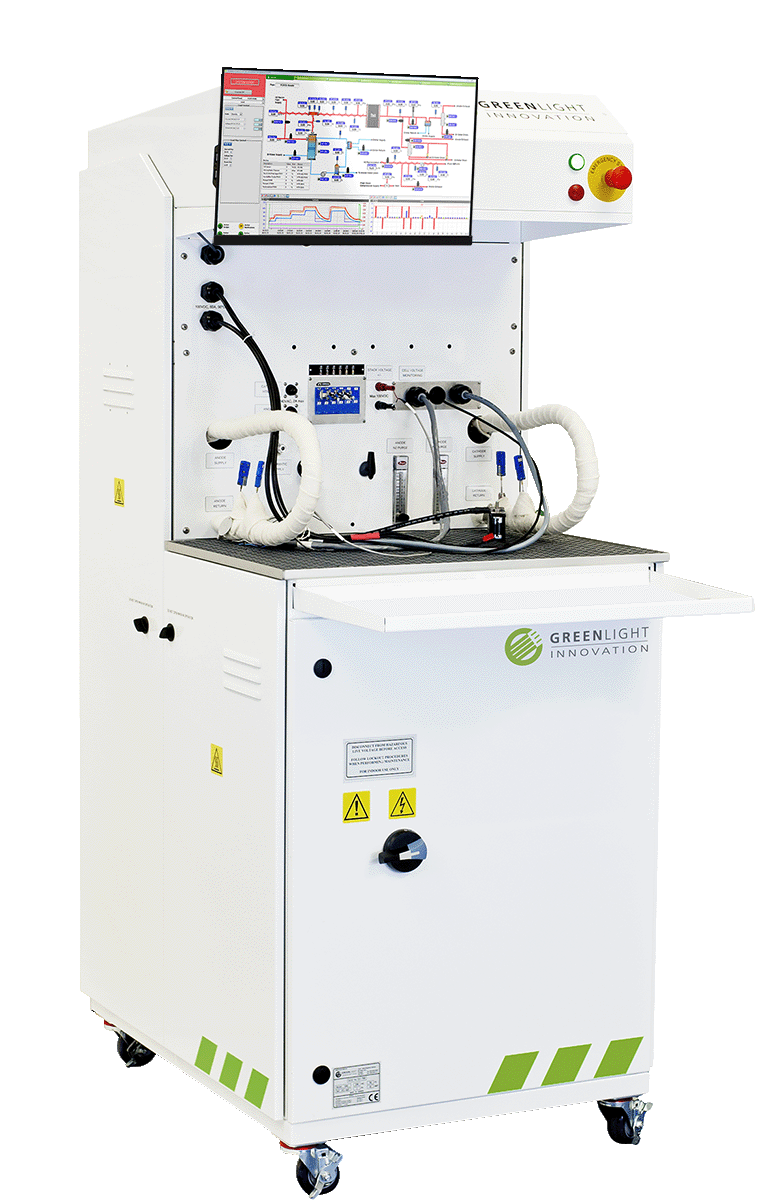
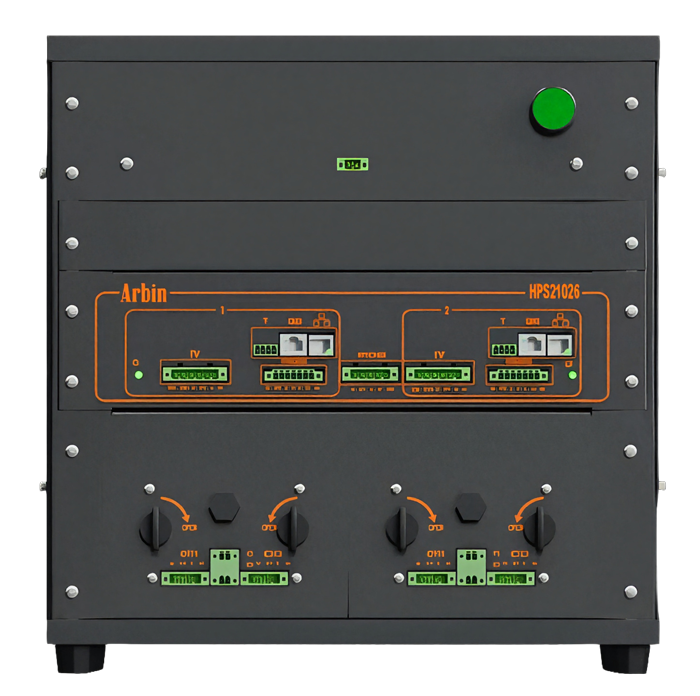
Arbin Instruments Battery Cycler
This is a multi-channel battery tester (±5 V, ±10 A, 96 channels) with 11400 VA 3-phase power, thermocouple inputs, MITS Pro control software, and EIS integration via Gamry 1010E. It provides precision charge and discharge cycling and impedance testing for electrochemical cells. It automatically charges and discharges batteries and records performance data to study lifetime and efficiency.
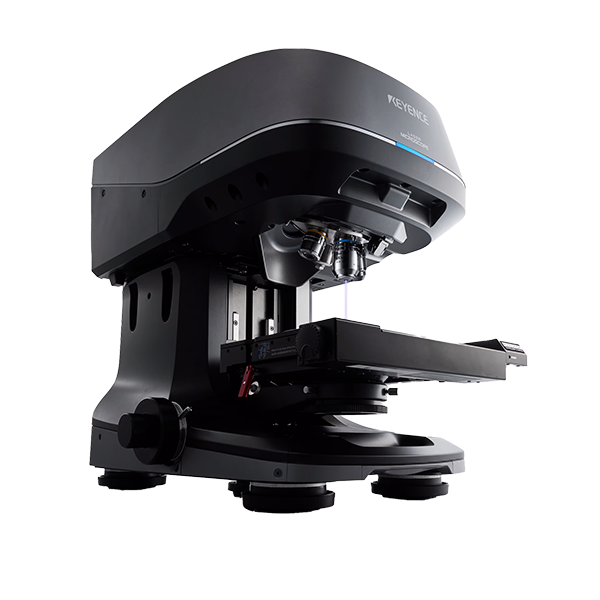
KEYENCE Confocal Microscope
The Confocal Microscope uses a triple scan approach, where laser confocal scanning, focus variation, and white light interferometry measurement methods are used, so that high-accuracy measurement and analysis can be performed on any target like electrocatalysts. It has a resolution of 0.01 nm and can scan areas up to 50 × 50 mm (1.97″ × 1.97″), allowing for measurement of the overall shape of the target while still maintaining high-resolution for analysis of minute surface features. It is a highly versatile surface profiler that uses a combination of lasers and light to perform non-contact, high-resolution 3D measurements of an object's surface for quality control, failure analysis, and research in manufacturing and materials science.
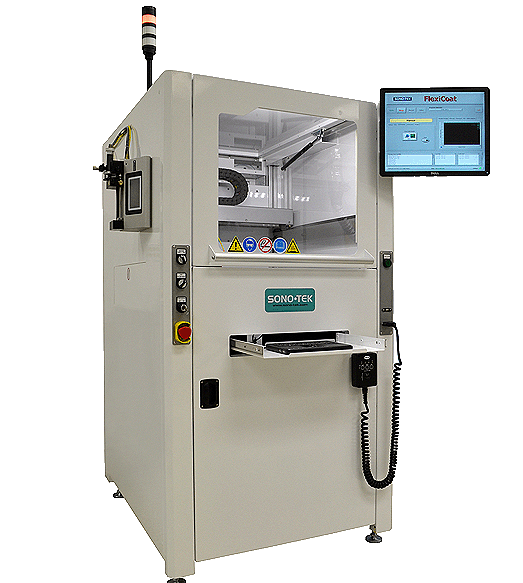
Sono-Tek FlexiCoat Automated Coating Systems
The FlexiCoat is an automated and programmable ultrasonic coating system designed for precise thin-coating applications in mid-to-high-volume production. It utilizes ultrasonic spray nozzle technology and features 3-axis motion control. This system offers versatility with various nozzle types and liquid delivery options, making it suitable for the fabrication of electrodes used in energy generation and storage systems, including water electrolyzers, fuel cells, and CO2 electrolyzers. An automated programmable system utilizes ultrasonic spray technology to apply very thin, uniform coatings with high precision for electrode catalyst layer fabrication, covering areas up to 40 x 45 cm².
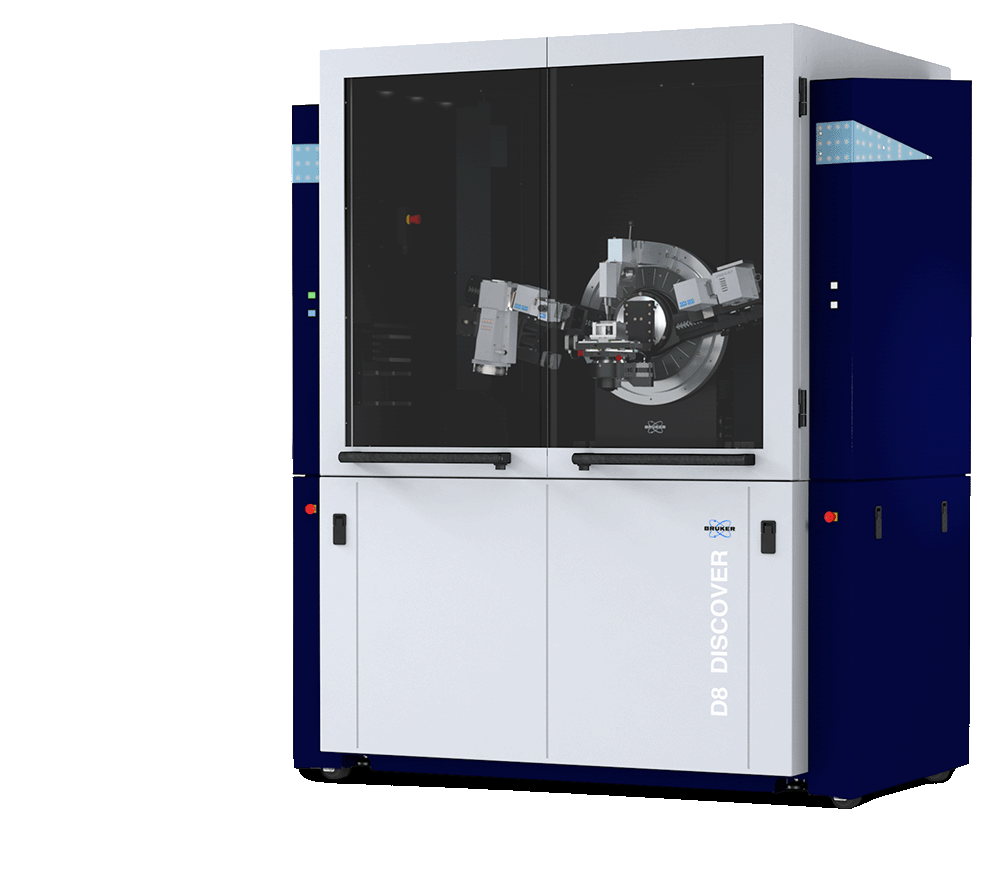
Bruker AXS D8 DISCOVER X-Ray Diffraction
The D8 DISCOVER is a research-grade multipurpose XRD system supporting reflectometry, grazing incidence diffraction (GID/GISAXS), reciprocal-space mapping, and high throughput XRD. It integrates a vertical goniometer, IµS microfocus source, a EIGER2 R 500K detector, and a laser-video microscope. It is a versatile, high-throughput diffractometer used to probe crystal structures, thin films, and nanomaterials in 2D.
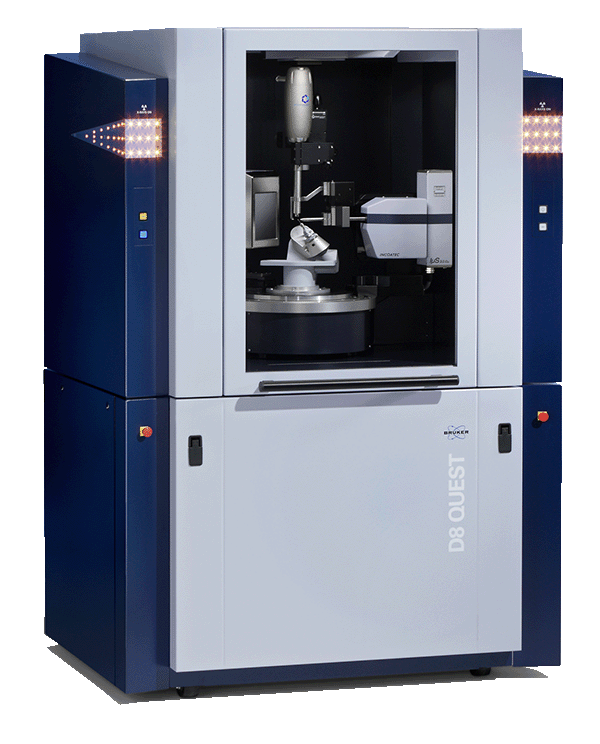
Bruker AXS D8 QUEST X-Ray Diffraction
The D8 QUEST is a compact single-crystal XRD system featuring a PHOTON II-7 detector, Cu Kα source, a multi-axis goniometer (<7 µm sphere of confusion), and an APEX5 SHELXTL suite for structure solution. It determines the exact 3D arrangement of atoms in crystals — vital for understanding new compounds and catalysts.
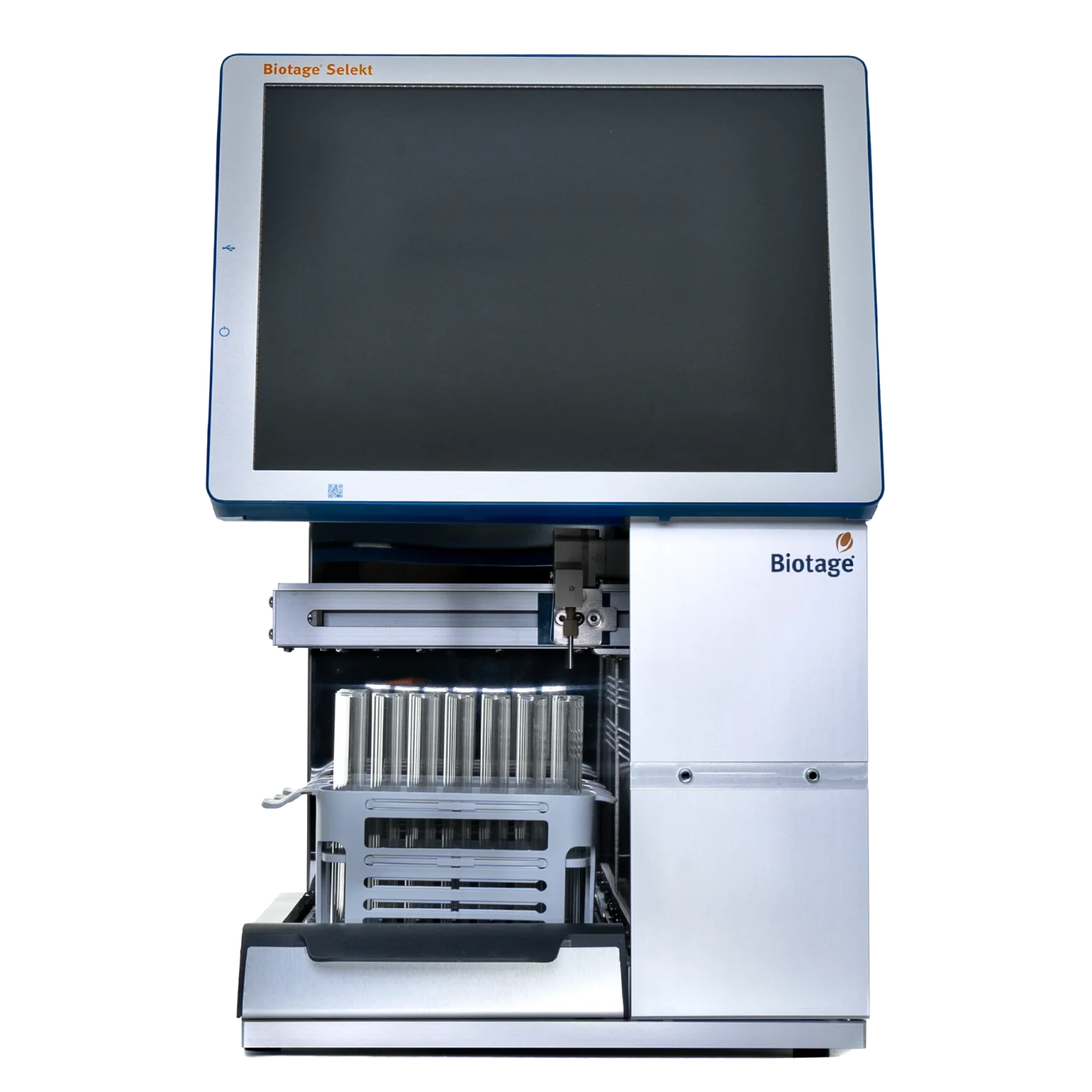
Biotage AB Flash Chromatography
The Biotage Flash Chromatography is a dual-channel flash chromatography system (4 solvent lines, 2 column lines) that supports both normal- and reverse-phase separations up to 30 bar and 300 mL min⁻¹. It has an integrated UV/Vis detector (190–800 nm), a 15″ touchscreen interface, QR/RFID rack tracking, and a five-year warranty. Optional Spektra software provides full-spectrum “lambda-all” detection with baseline correction and wavelength focusing for compounds with poor UV absorbance. It is a self-contained purification workstation that automatically separates and collects chemical compounds from reaction mixtures, using programmable solvent gradients and UV detection.
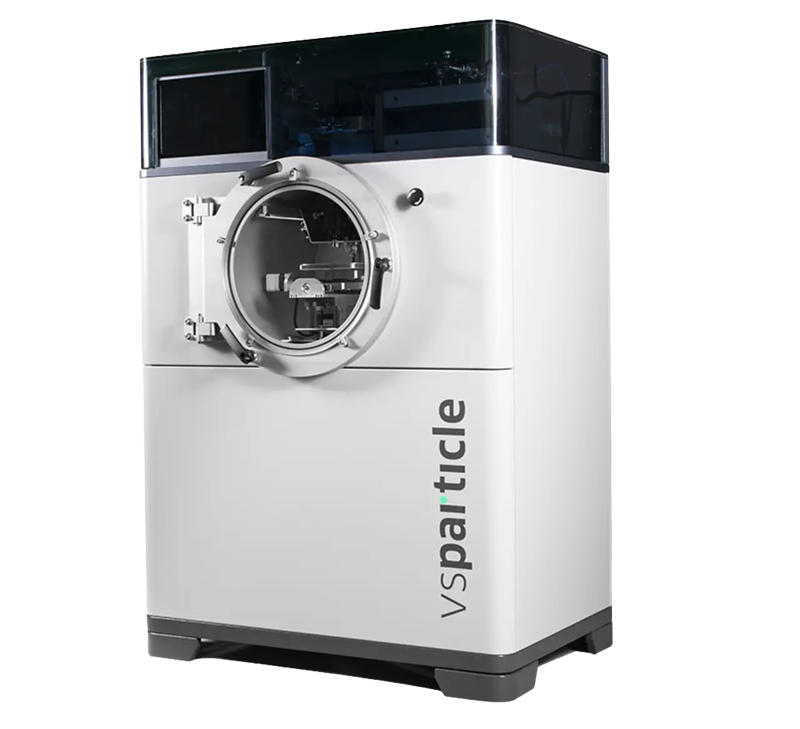
VSParticle VSP-P1 Nanoprinter
The VSP-P1 Nanoprinter is an automated system for localized deposition of metallic nanostructured films using spark-generated nanoparticles (1–20 nm). It enables controlled patterning of conductive materials via aerosol impaction printing and integrates four VSP-G1 nanoparticle generators. It prints ultra-small particles directly onto surfaces, letting scientists “print” materials like catalysts or sensors at the nanoscale without chemicals.
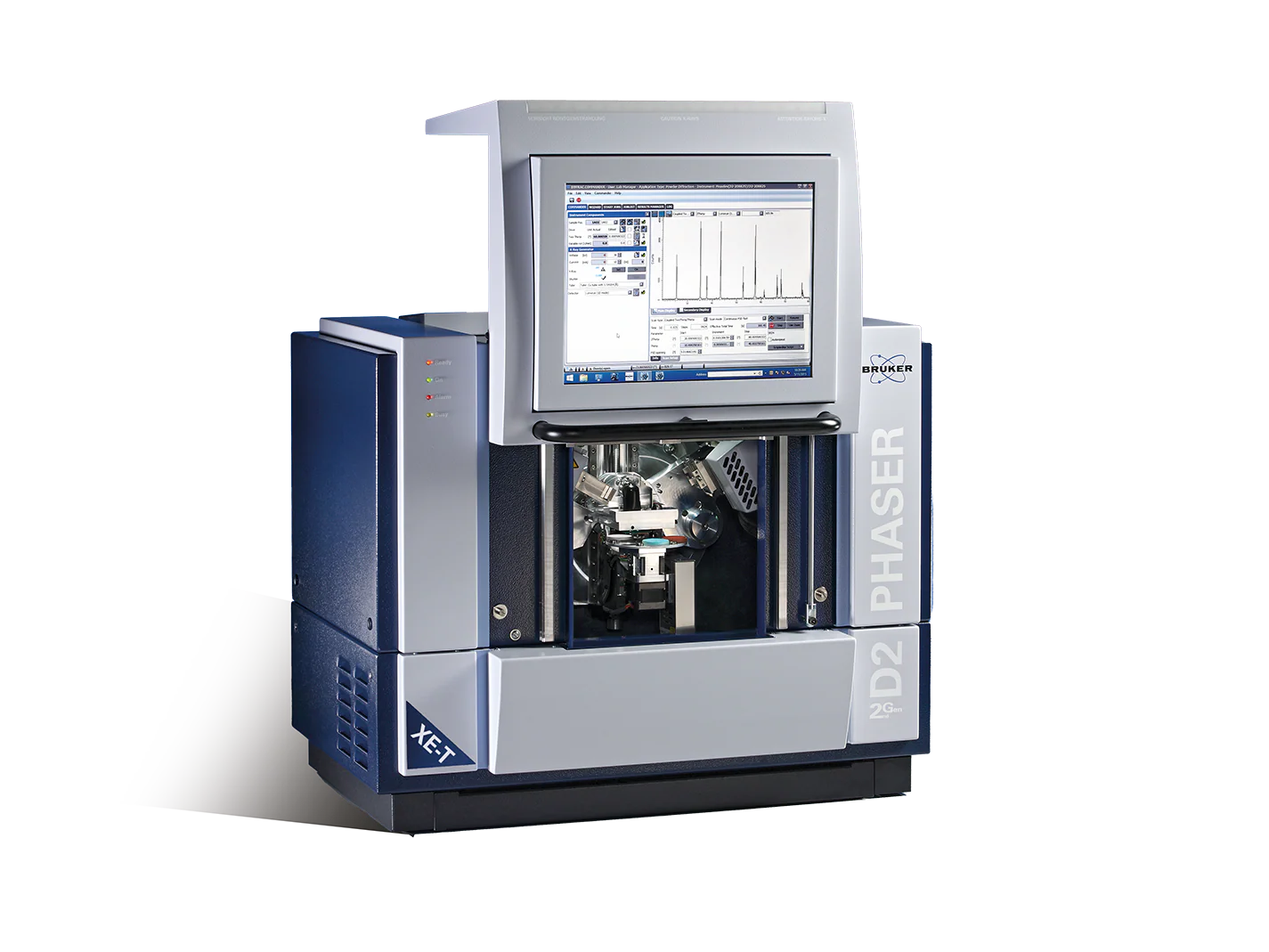
Bruker AXS D2 PHASER X-Ray Diffraction
The D2 PHASER is an all-in-one benchtop XRD with an integrated PC and LYNXEYE detector. It enables qualitative and quantitative phase analysis and crystallinity determination with a minimal footprint and low operation power (300 W). It has a table-top, user-friendly X-ray diffractometer located on the synthesis lab bench, enabling researchers with minimal training to obtain instant feedback on phase identification to guide the next step in reaction setup.
Back to Map
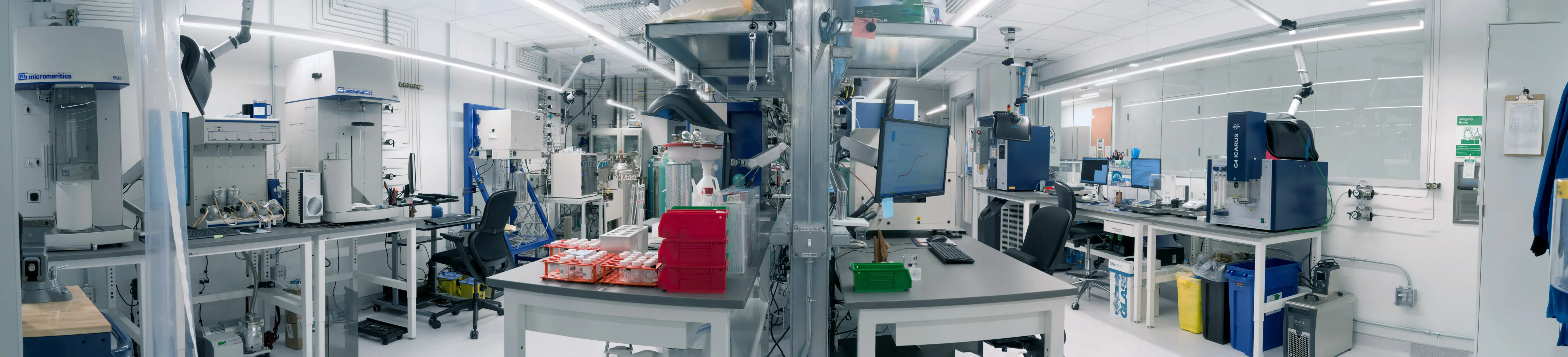
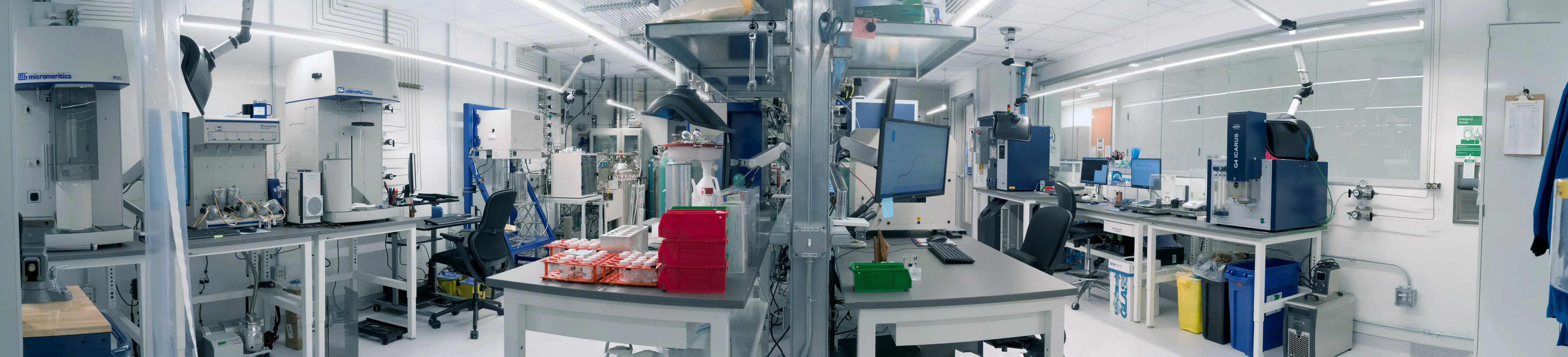
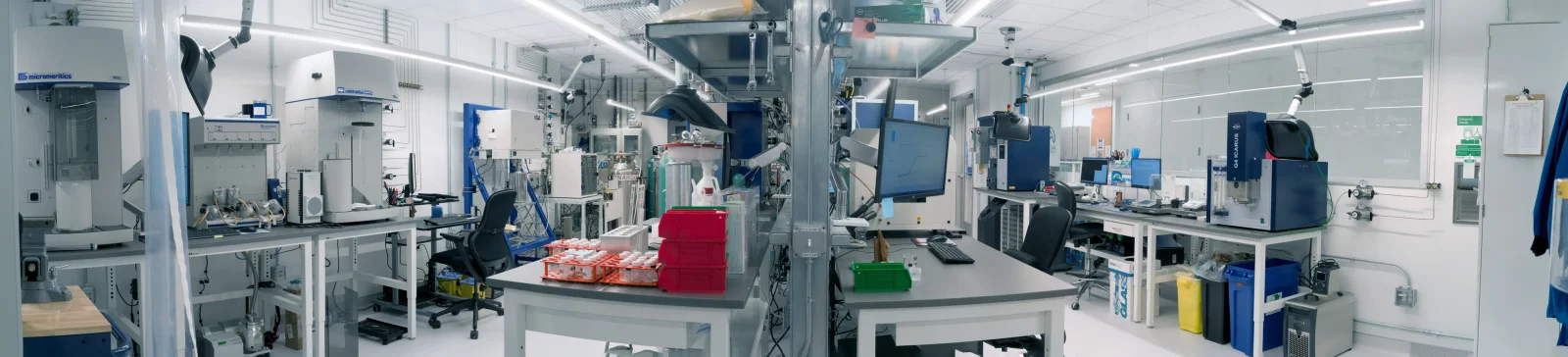
Gas Absorption Lab
Explore the equipment
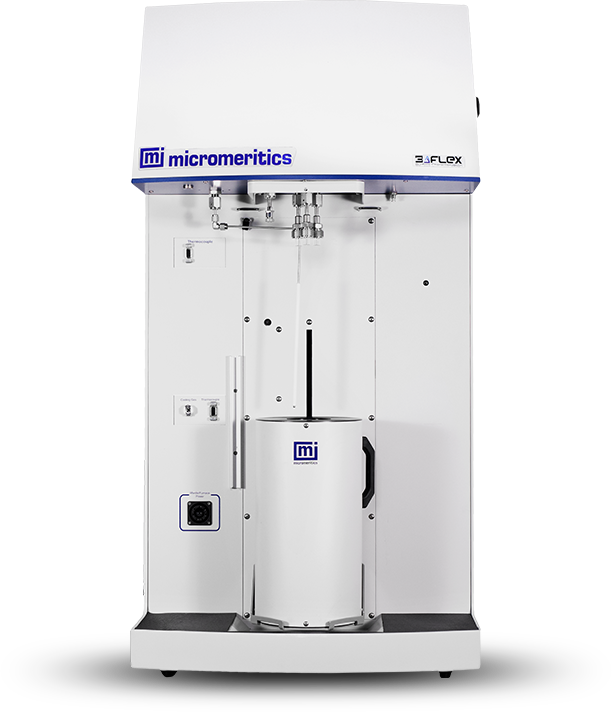
Micromeritics 3Flex Physisorption Analyzer
The 3Flex is a fully automated three-port physisorption (single-port chemisorption) analyzer (ECR model) for active surface area, pore size distribution, adsorption capacity, heat of adsorption, metal dispersion, or acid/base site characterization in materials; It includes a high-temperature furnace (up to 1100 °C) for chemisorption and MicroActive software for method development. It determines how much gas a material can adsorb, revealing surface area and pore structure — critical for catalysts and adsorbents.
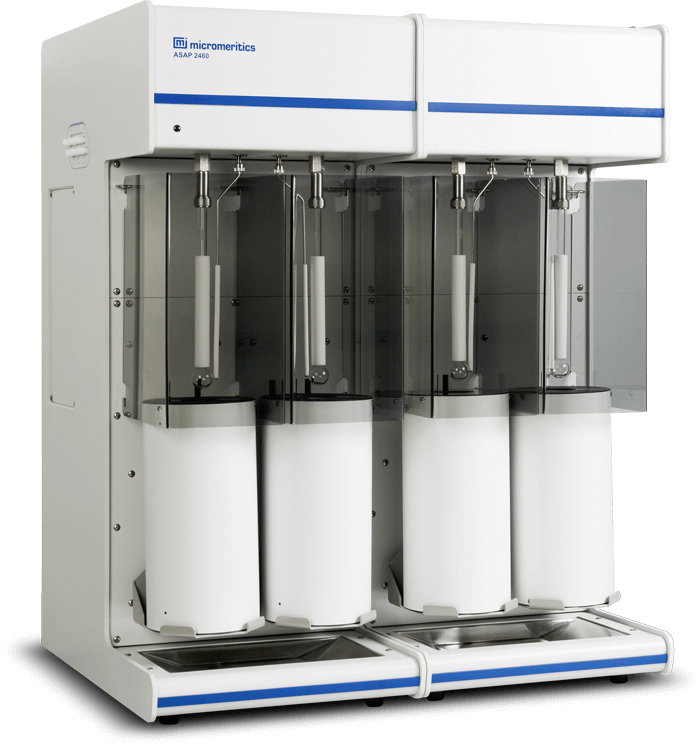
Micromeritics ASAP 2420 Automated Analyzer
The ASAP 2420 is a six-station, high-vacuum, automated analyzer for surface area and pore distribution (3.5 – 5000 Å). It performs isotherm analyses to obtain BET and Langmuir surface areas along with BJH and DFT pore size analyses. It has 12 degas ports and a Smart Dosing System that reduce analysis time. It measures how gases stick to materials to calculate their internal surface area and pore sizes.
Micromeritics BreakThrough Analyzer
This BreakThrough Analyzer is a dynamic vapor/gas adsorption analyzer with multiple MFC-controlled gas lines and a patented blending valve. It supports multi-component adsorption, breakthrough curves, and kinetic studies. It allows scientists to watch gases flow through materials to see how fast and how much is adsorbed.
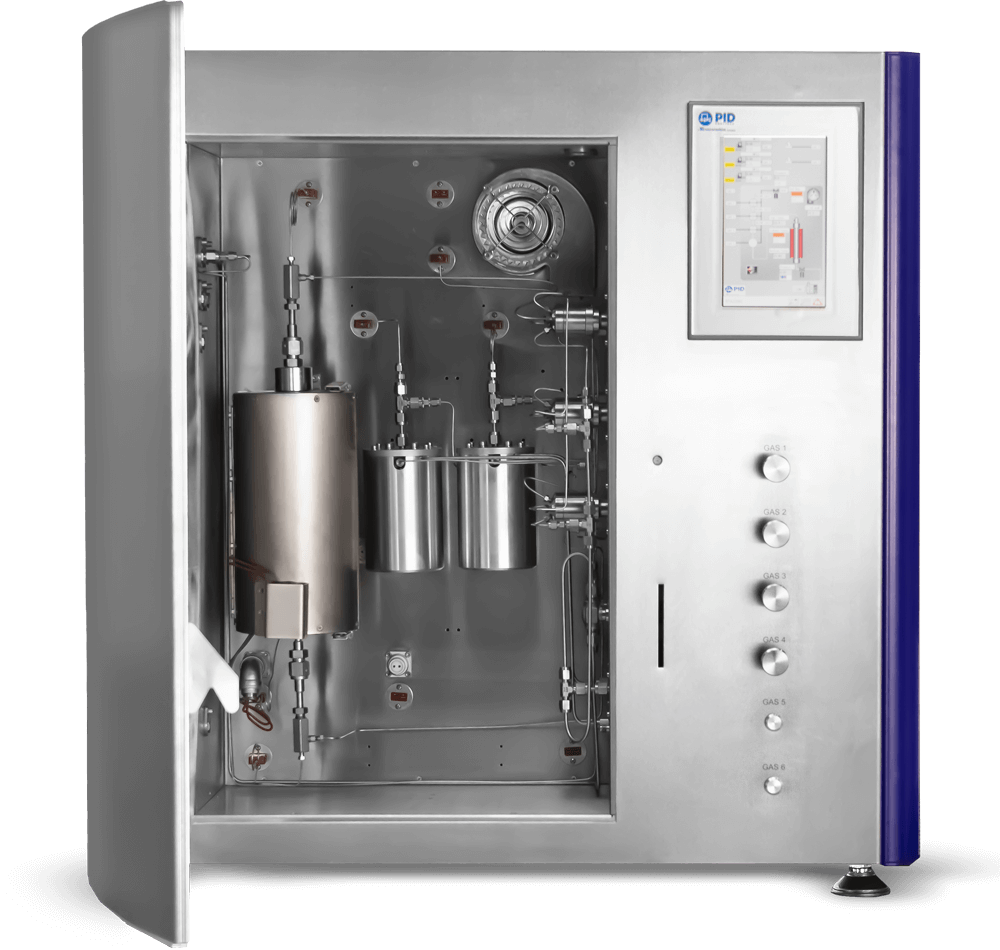
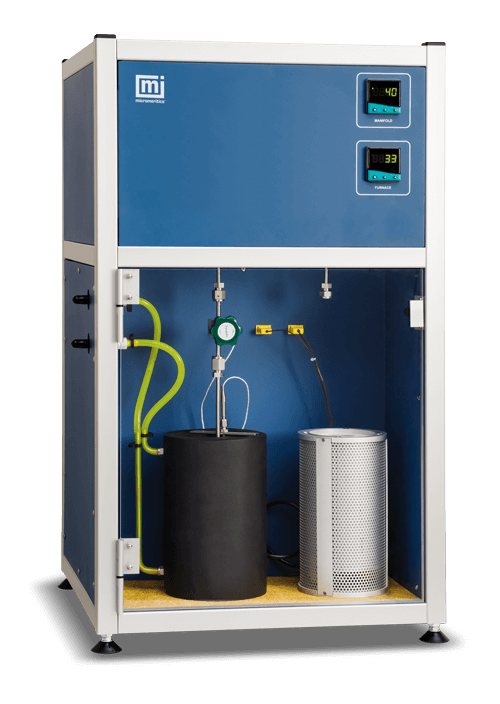
Micromeritics High-Pressure Volumetric Analyzer II
The HVPA II is a static volumetric adsorption analyzer that measures isotherms up to 200 bar. It has a stainless-steel manifold, dual pressure transducers (200 bar + 1000 Torr), and a servo-controlled dosing system. It tests how materials store gases like hydrogen, CO2, or hydrocarbons like methane under high pressure.
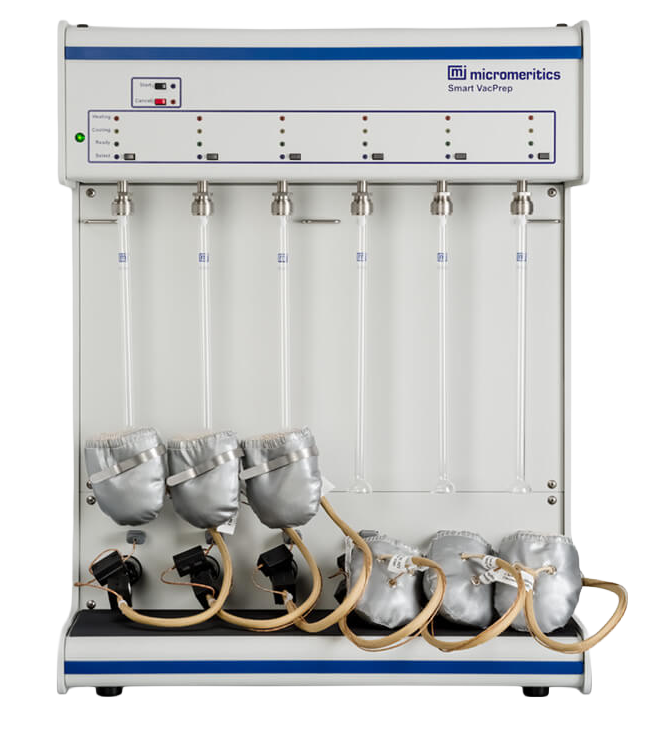
Micromeritics Smart VacPrep System
The Smart VacPrep is a modular six-port vacuum and gas-flow preparation system used for outgassing porous samples prior to adsorption analysis. The Smart VacPrep automates heating, evacuation, and cooling cycles with independent port control, and the VacPrep and FlowPrep provide manual and flow-based degassing options. It prepares samples by gently heating and removing moisture and contaminants, so adsorption tests yield accurate results.
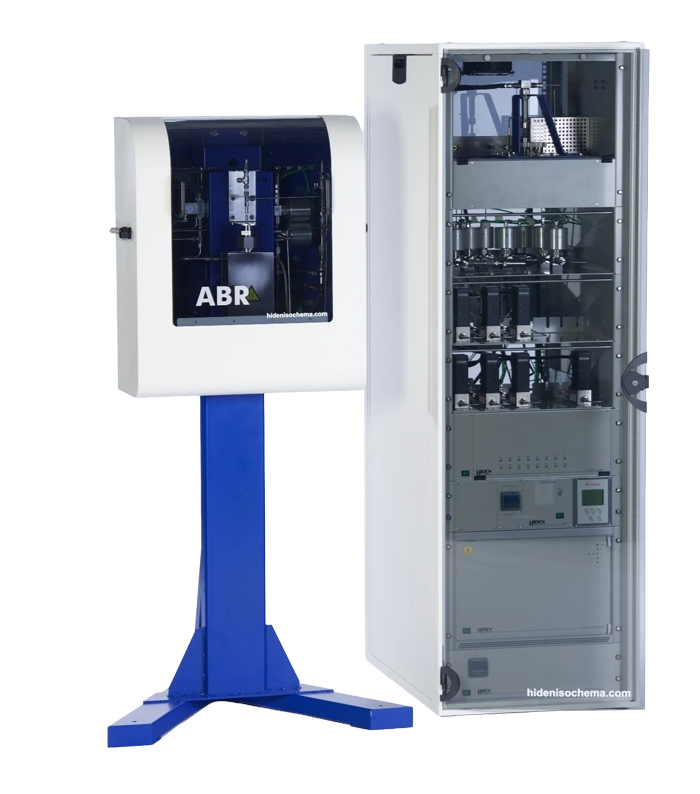
Hiden Isochema Breakthrough Analyzer
This Breakthrough Analyzer is a modular, automated breakthrough system with interchangeable 2–20 cm³ beds, ≤50 bar operation, 300 °C heating, and a mass spectrometer interface for real-time gas composition analysis. It tests how well materials capture or release gases. That information is then used to evaluate filters, AWH, and CO2 capture materials.
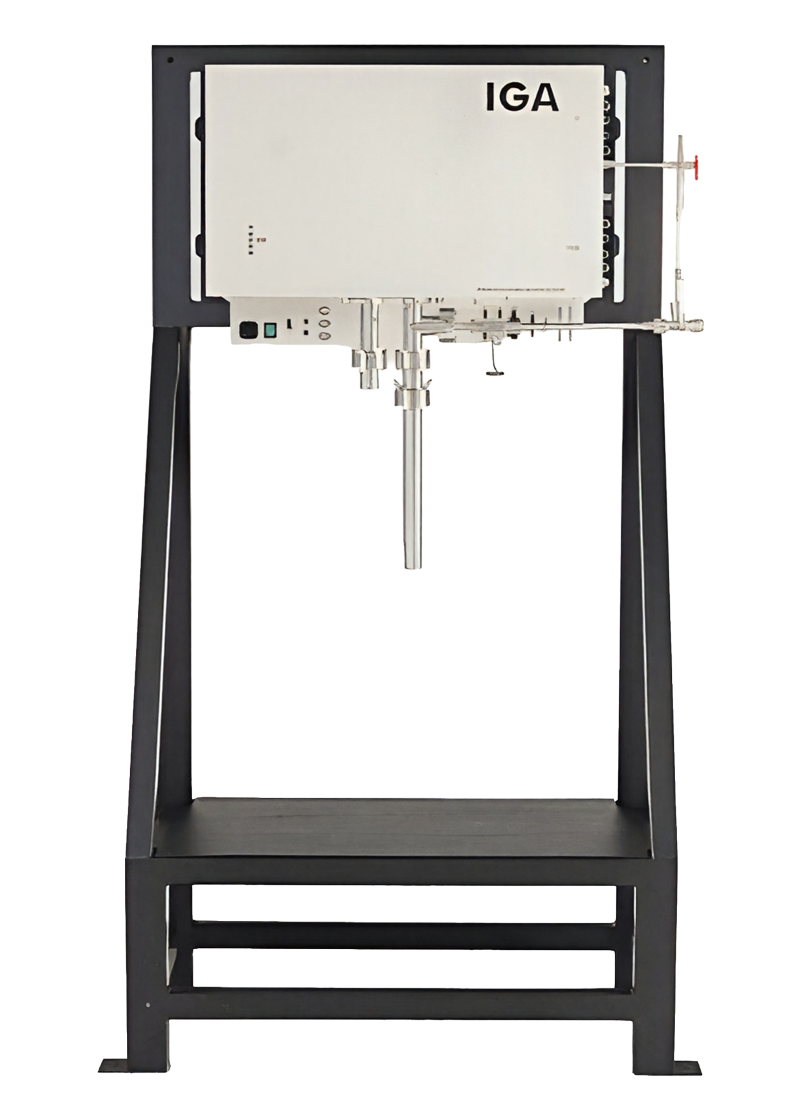
Hiden Isochema IGA-100
The IGA-100 measures adsorption and desorption equilibria and the kinetics of gases and vapors from 10⁻⁶ mbar to 20 bar and 77 K – 500 °C. It includes a microbalance (0.1 µg resolution), multi-range pressure transducers, and a 500 °C furnace. It weighs how much gas or vapor is adsorbed by materials — revealing their storage or separation capabilities.
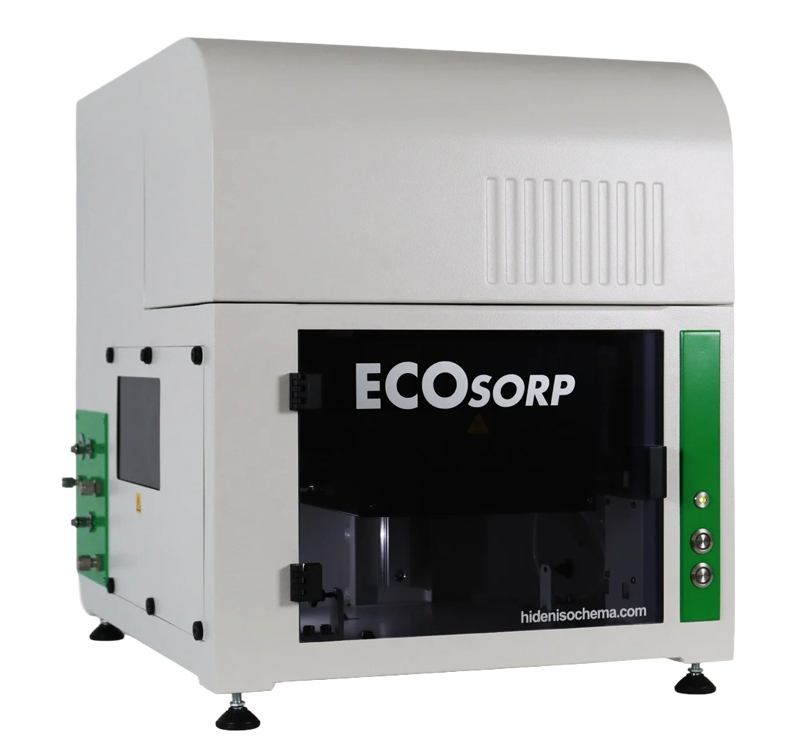
Hiden Isochema IGASorp
The IGASorp is a thermostated gravimetric water vapor adsorption analyzer controlling 0–100% RH using feedback-regulated laminar flow. It has a 0.1 µg balance resolution, ±1% RH accuracy, and temperature control to 80 °C (350 °C optional). It determines how materials adsorb water vapor — important for humidity sensitivity and stability studies.
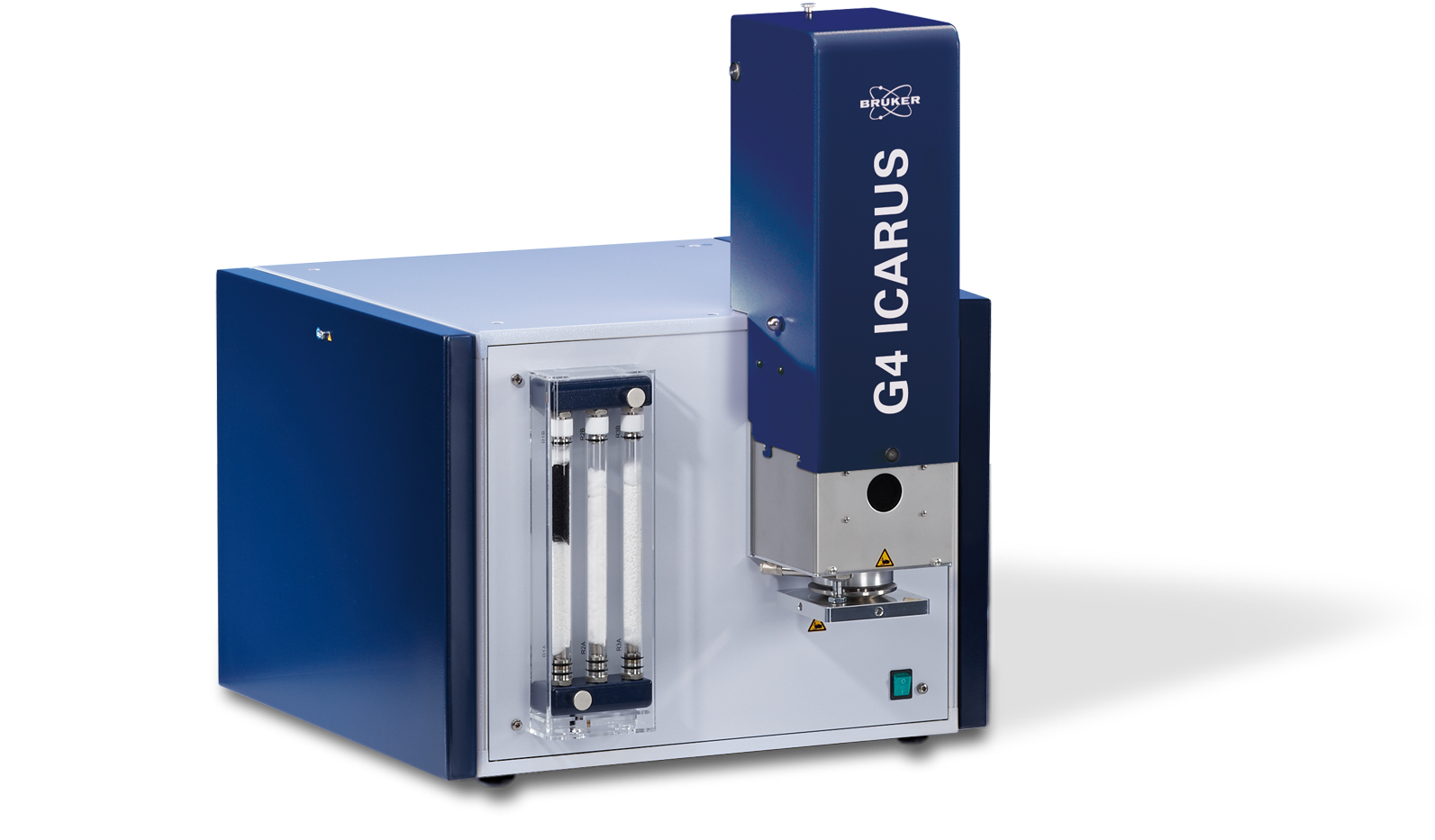
Bruker Optics G4 ICARUS Analyzer
The G4 ICARUS measures carbon and sulfur concentrations using an HF induction furnace and HighSense™ UV detectors. It features a ZoneProtect™ self-cleaning furnace and an automatic gas dryer for high throughput. It determines how much carbon and sulfur are in solid materials such as metals or ceramics.
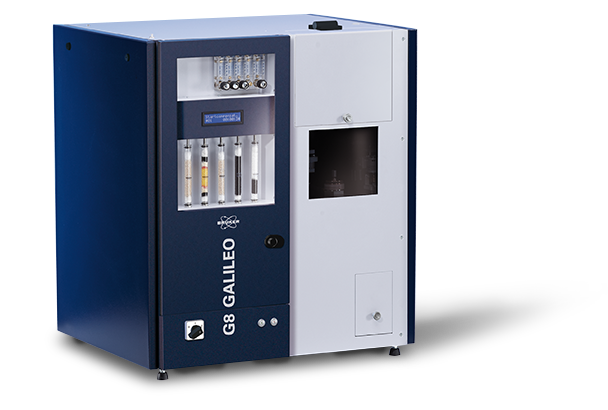
Bruker AXS G8 GALILEO Analyzer
The G8 GALILEO is an inert-gas fusion analyzer for oxygen, nitrogen, and hydrogen in solids. It integrates automatic furnace cleaning, a sample loader, and a HighSense detector for O/N/H quantification. It measures trace gases trapped in materials to understand purity and processing.
Back to Map
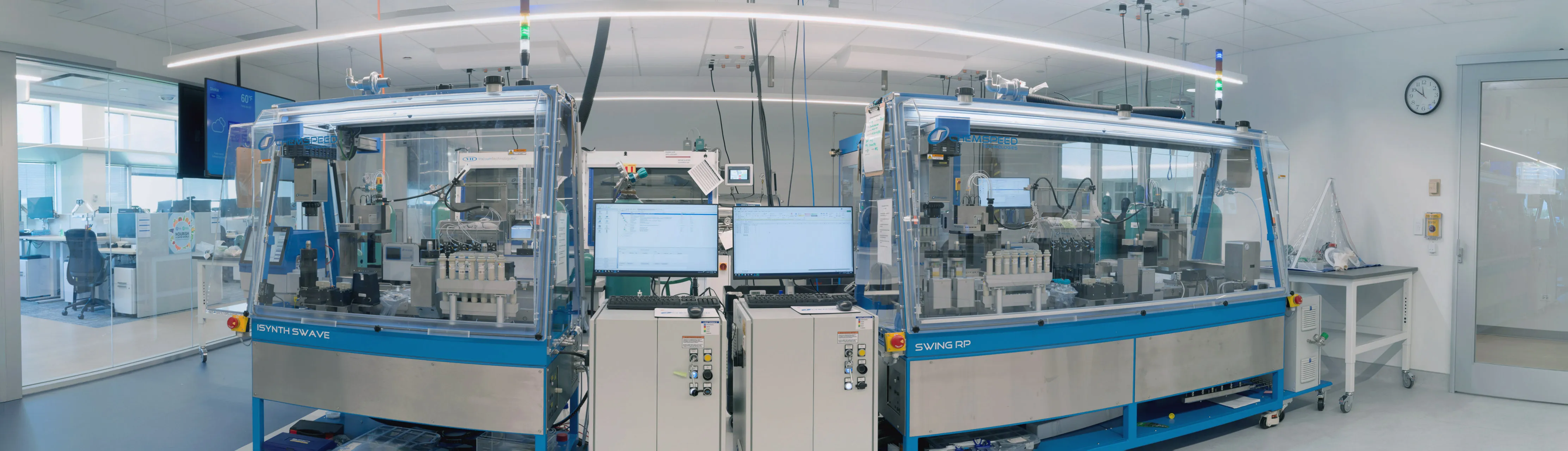
Automation Lab
Explore the equipment
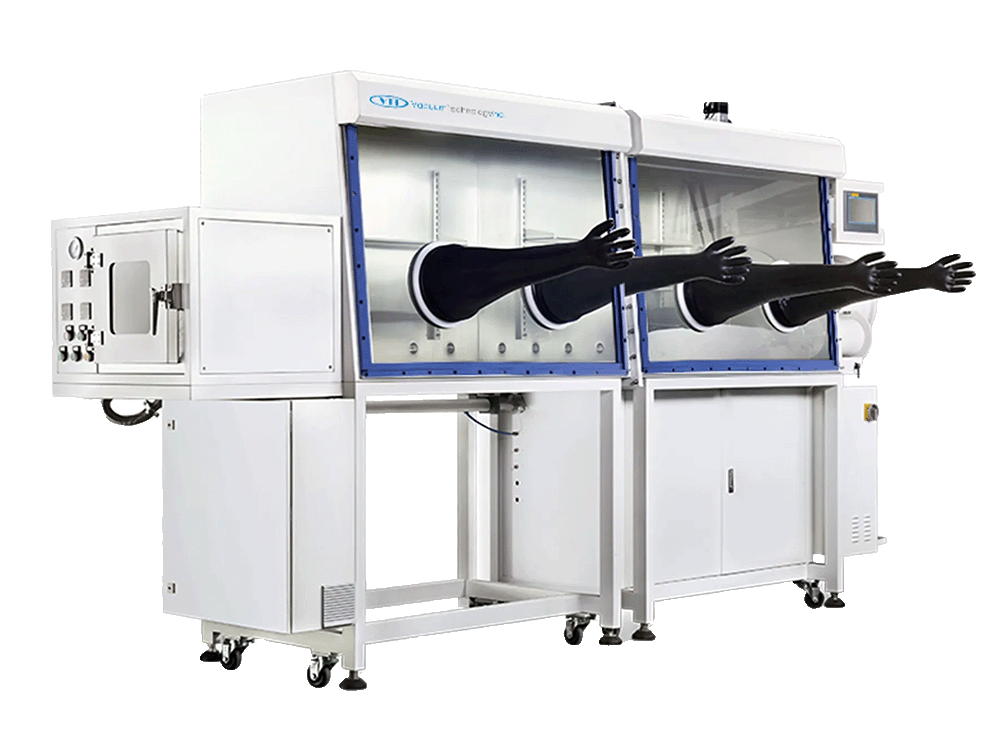
Vacuum Technology Inc. Double Glovebox
This is a dual workstation (4-glove) glovebox system (2440 × 750 × 900 mm internal volume) designed for safe handling of air- and moisture-sensitive materials. It features an integrated purification loop, O₂/H₂O sensors (<1 ppm), automatic regeneration, and a modular pass-through antechamber. The sealed chamber filled with inert gas (argon or nitrogen) allows scientists to handle chemicals that are damaged by air or moisture.
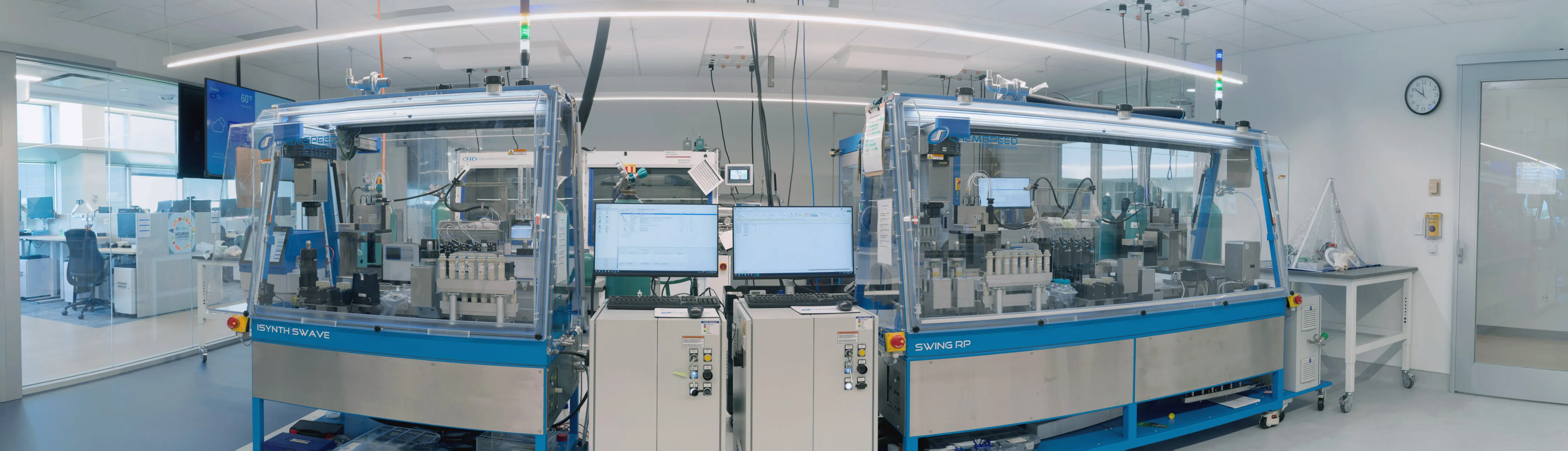
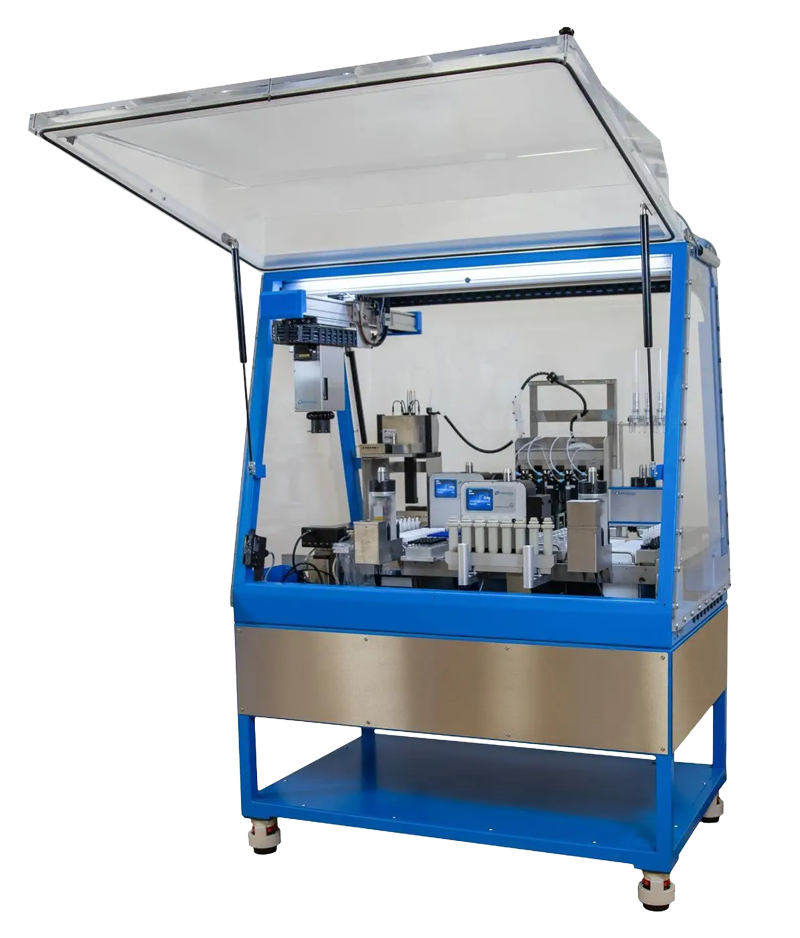
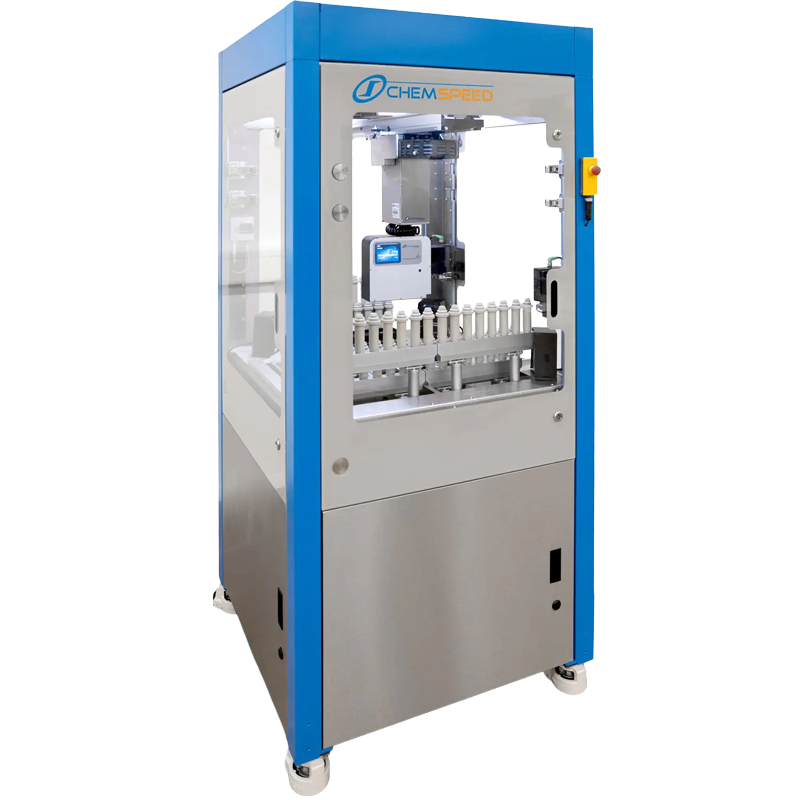
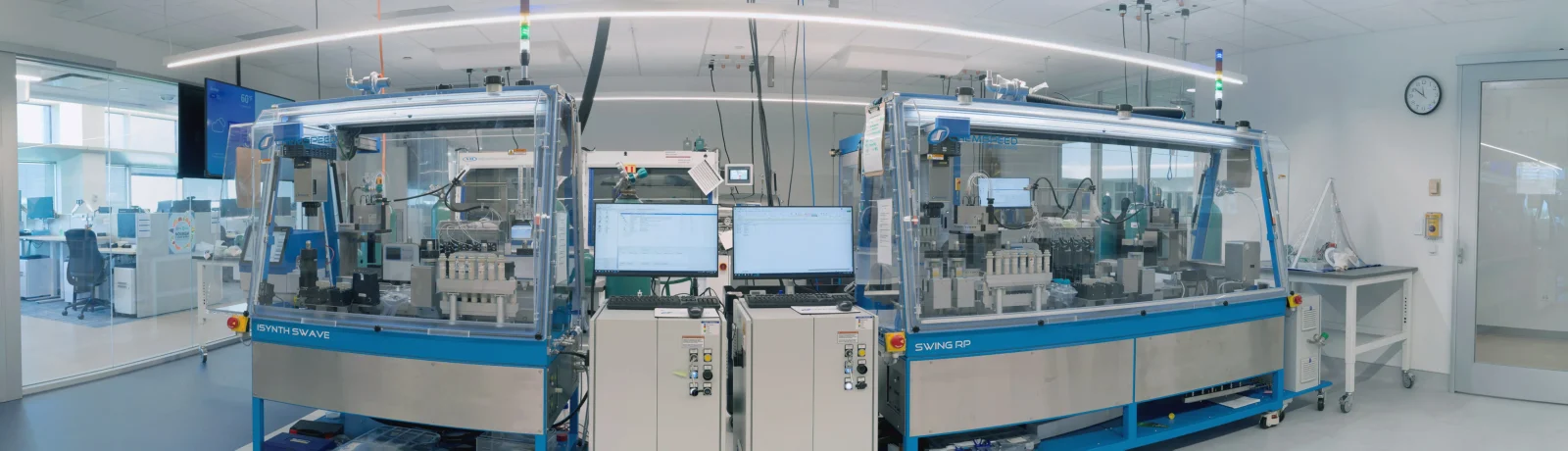
Chemspeed SWAVE Synthesis Platform
The SWAVE Synthesis Platform is a fully integrated robotic plant for unattended chemical synthesis that supports reaction heating, dosing, stirring, and sampling under inert or pressurized conditions. It is equipped with modular robotic tools for solid and liquid handling, temperature and pressure control, and automated data logging. It enables parallel reaction screening and scale-up across synthetic campaigns. It is a robotic “mini-factory” that performs chemistry automatically — mixing, heating, filtering, and recording results — without human intervention.
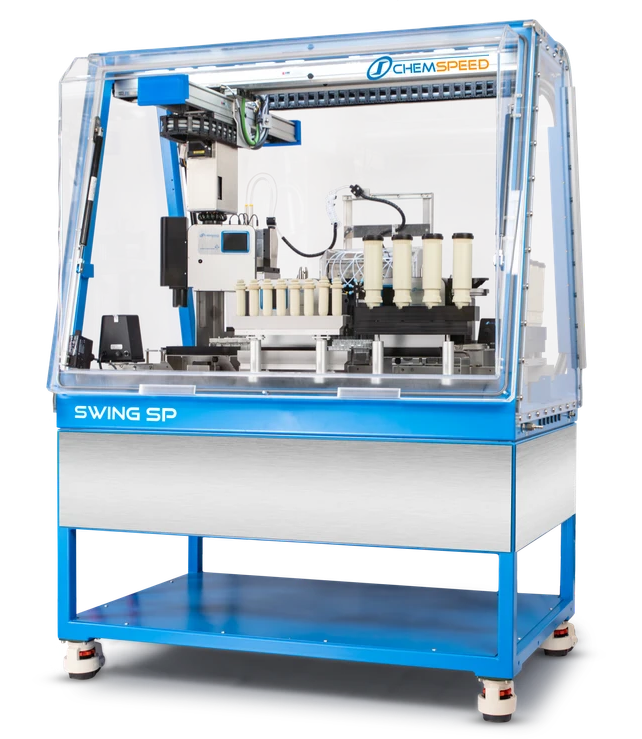
Chemspeed SWING Synthesis Platform
The SWING Synthesis Platform is a compact workstation integrating multiple robotic tools for gravimetric solid and liquid dispensing, crimping and uncrimping, and includes microwave digestion with AutoSuite control software for drag-and-drop workflow design. It performs precise small-scale experiments automatically — adding powders and liquids, heating reactions, and recording data — to accelerate discovery of new materials.
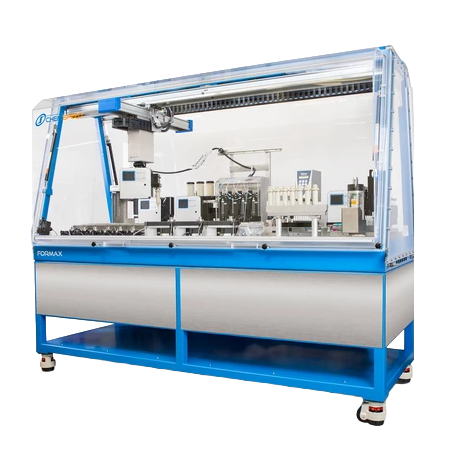
Chemspeed FLEX Synthesis Platform
The FLEX synthesis platform is a large-format robotic platform (SWING XL) supporting multiple interchangeable robotic tools, including solid and liquid handling, pH measurement, filtration, screw-capping, and barcode tracking. It integrates parallel synthesis packages (up to 100 bar), reactor modules, and gravimetric dosing (0.1 mg). It is controlled via the AutoSuite SWING interface for fully unattended operation. It is a larger robotic workstation that prepares, reacts, and processes dozens of samples simultaneously, improving precision and repeatability in materials synthesis.
Chemspeed PowderDose
The PowderDose is a patented overhead gravimetric that dispenses units (GDU-Pfd) for automated solid handling with sub-milligram accuracy. It enables the precise addition of powders directly into reactors or vials under inert conditions. It accurately weighs and adds even tiny amounts of powder automatically — essential for reproducible chemistry and materials development.
Back to Map
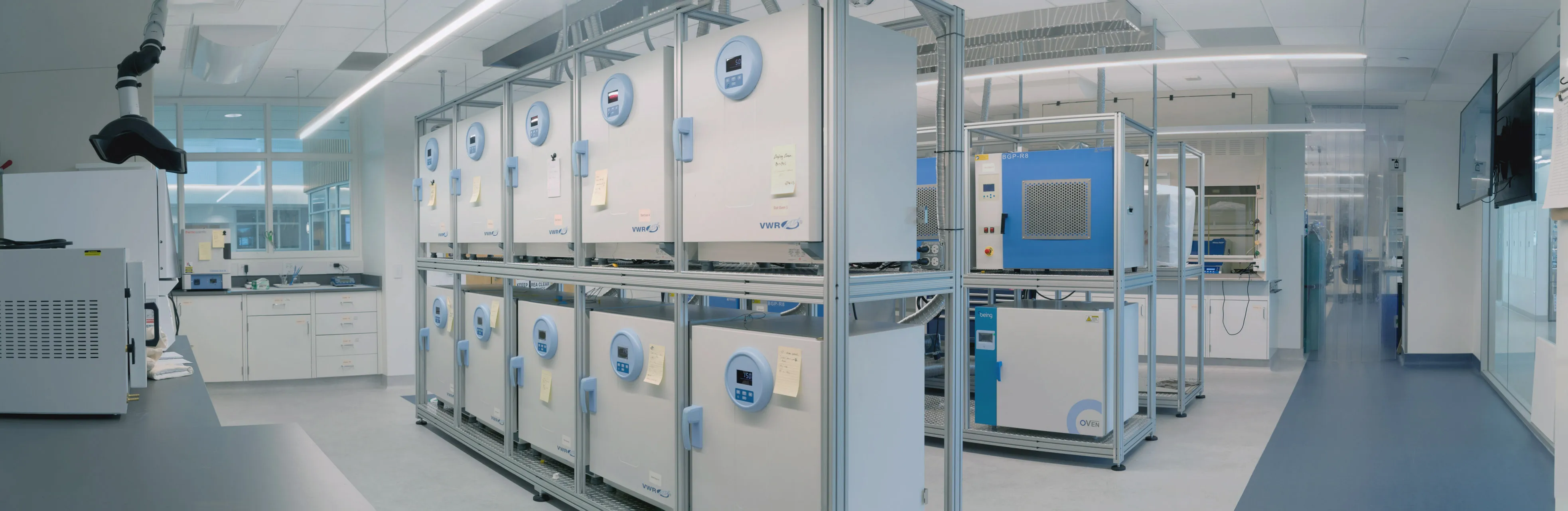
Oven Lab
Explore the equipment
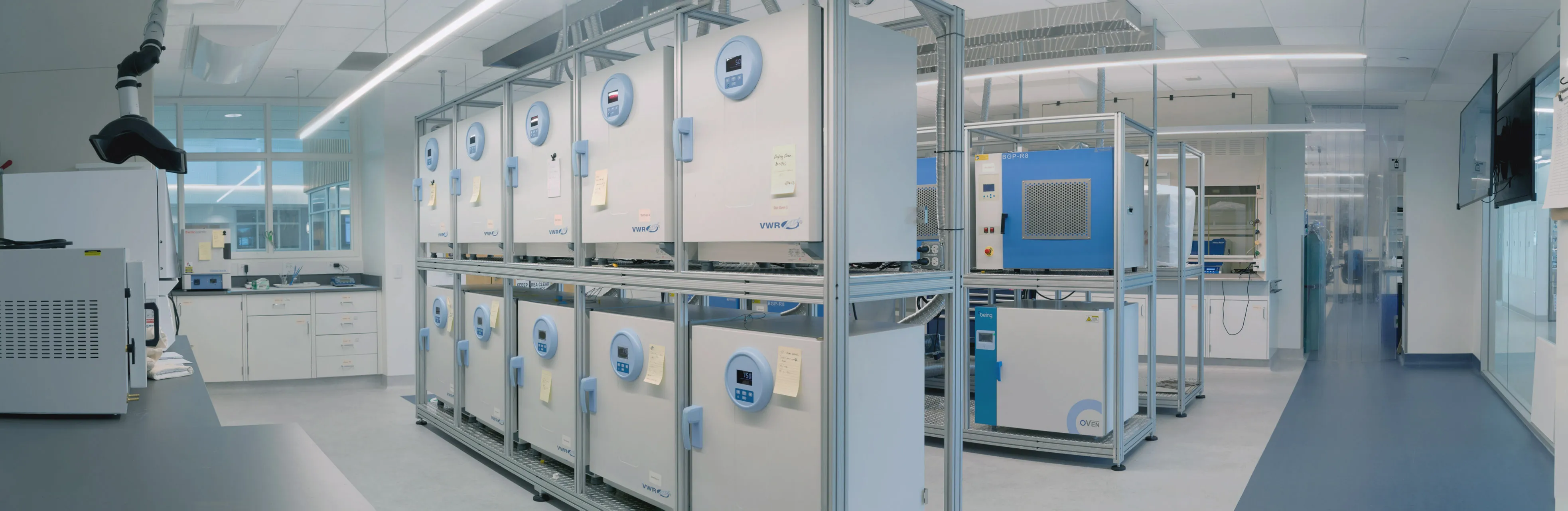
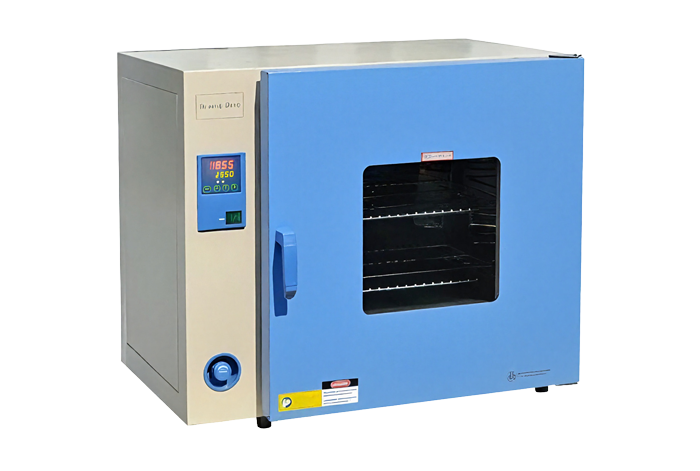
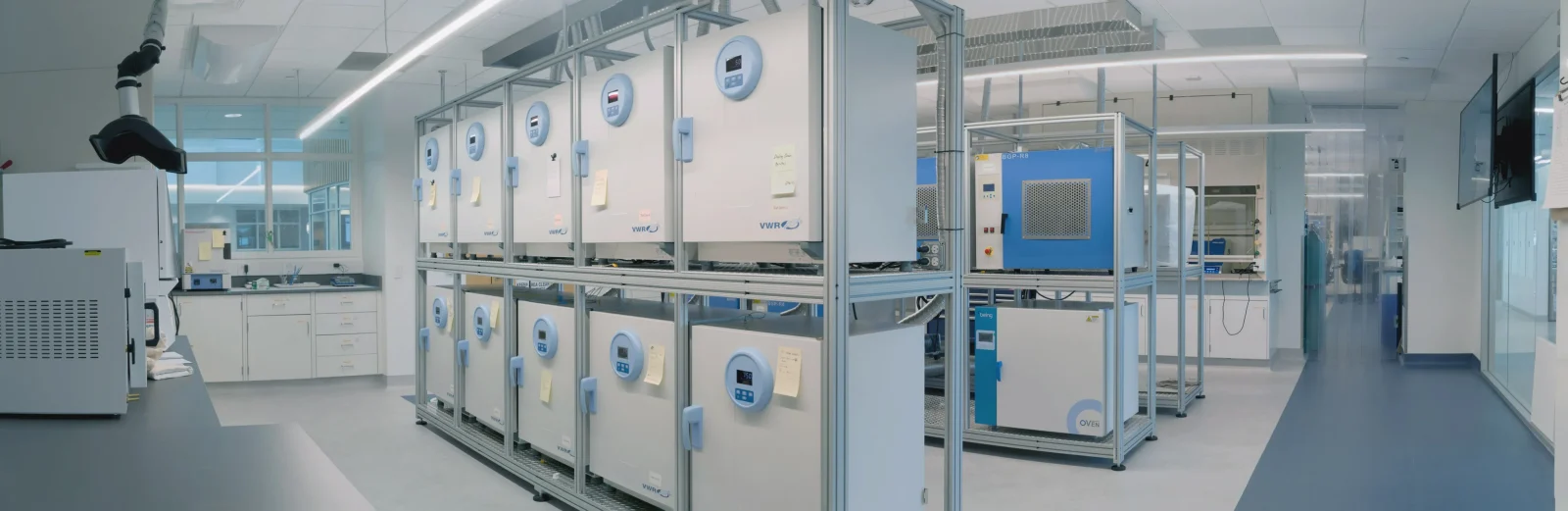
MTI Rotary Ovens
Our 8-station rotary reactor system is capable of operations up to 250 °C. It supports high-shear mixing via high RPM tumbling. It allows scientists to mix or react multiple samples simultaneously at a high temperature — like running eight small chemical reactors at once.
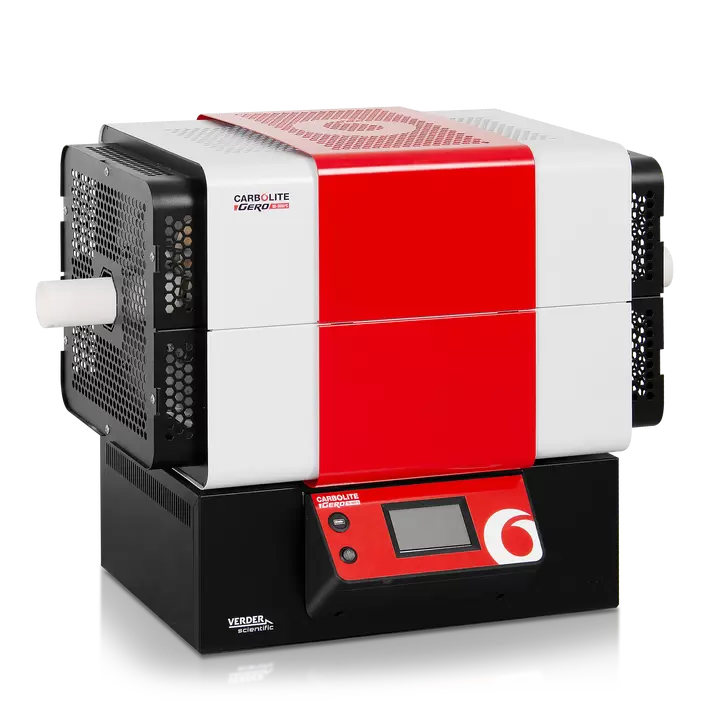
Carbolite Gero Furnace
The Carbolite Gero Furnace is a single-zone horizontal tube furnace (Ø100 mm × 600 mm hot zone) with an EPC3016 programmable controller and a RCA 75 ID × 86 OD × 1400 mm work tube for controlled-atmosphere operation up to 1600 °C. It is used to heat materials to very high temperatures under controlled gas atmospheres.
Back to Map
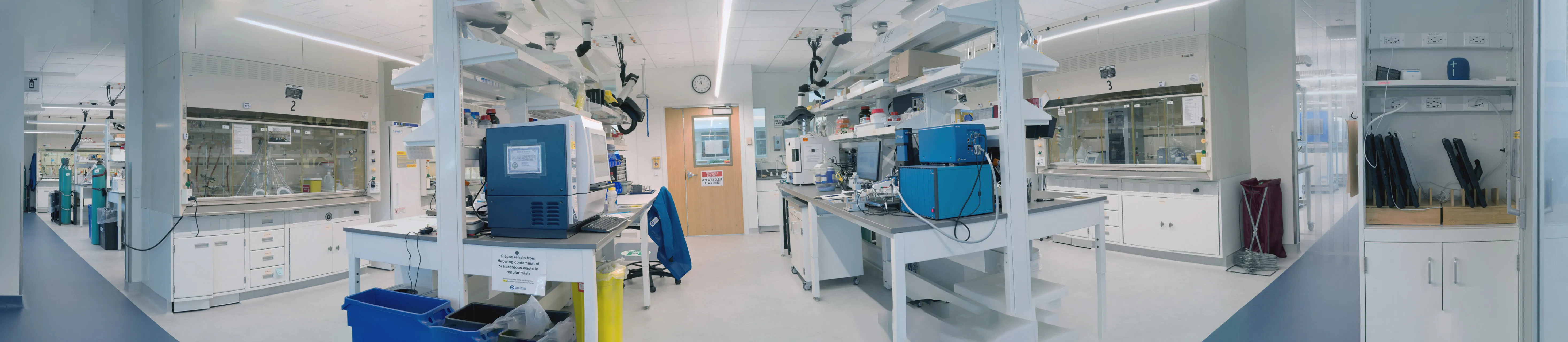
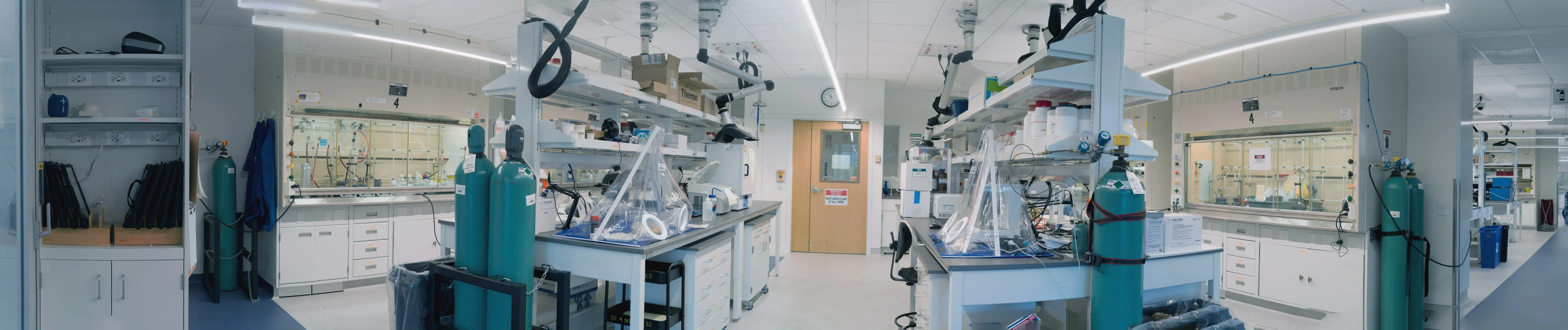
Synthesis Lab 2
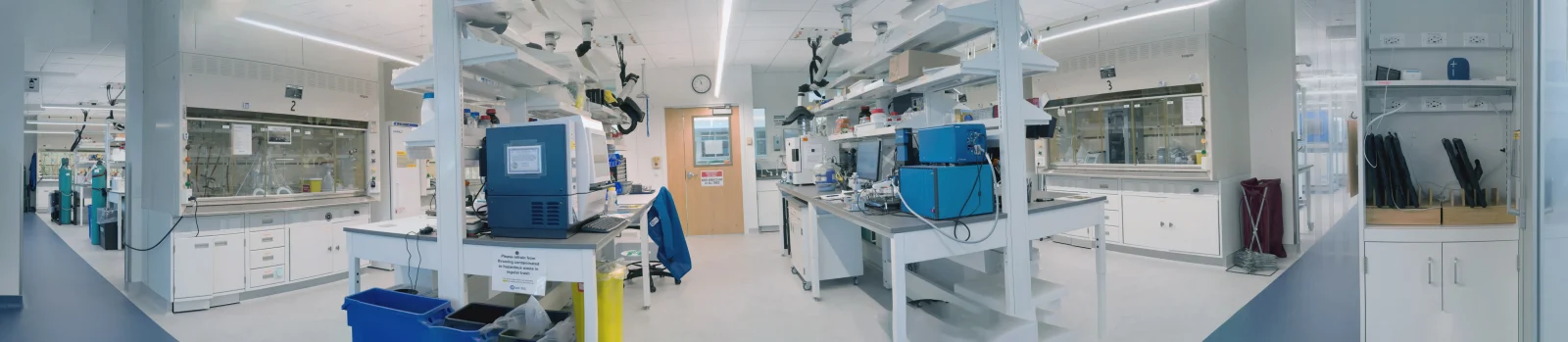
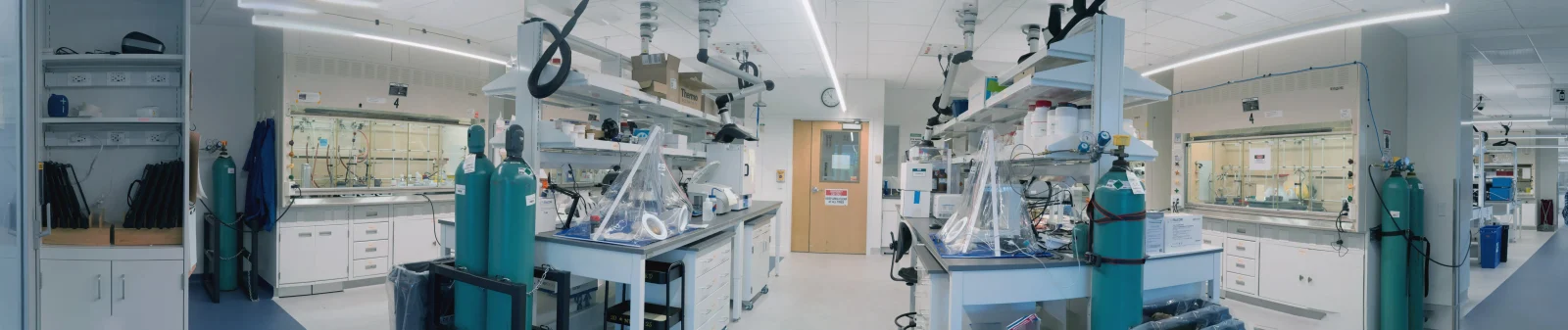
The synthesis labs allow for more traditional experimentation but with instrumentation that is connected to the cloud. This captures every piece of data associated with every experiment and feeds it into the lab's AI systems.
Explore the equipment
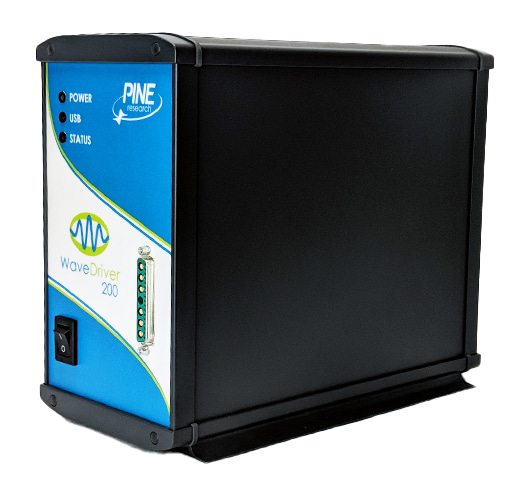
Pine Research Instrumentation WaveDriver 200
The WaveDriver 200 bi-potentiostat is a dual-channel electrochemical workstation supporting EIS, CV, pulse, and corrosion methods via AfterMath software. It allows for precision control of potential/current for two electrodes simultaneously. Researchers can precisely control and measure how materials conduct electricity and mechanisms in electrochemical reactions, which is useful for studying batteries, catalysts, and sensors.
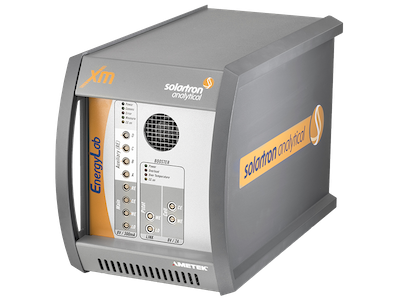
AMETEK SI EnergyLab XM with 100A/6V booster
This is a modular electrochemical workstation combining the EnergyLab XM potentiostat and BOOST 6V 100A booster for DC and EIS measurements up to ±100 A and 6V. It has a frequency range of 10 µHz–50 kHz, floating design, and a ±0.1 % accuracy, enabling impedance and pulse testing of low-impedance cells. It measures how energy materials and electrochemical systems behave under electrical stress — key for testing batteries, electrolyzers, and corrosion resistance.
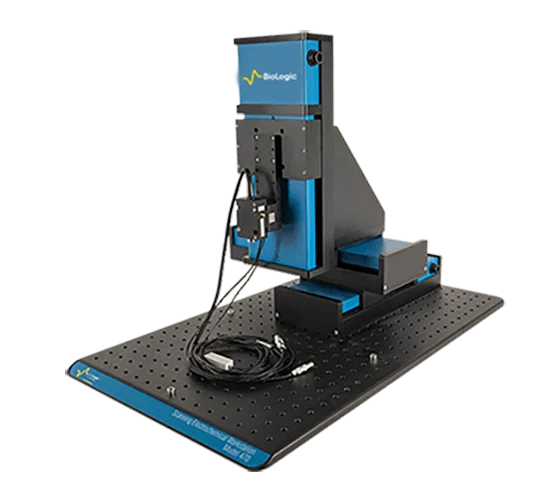
BioLogic Scanning Droplet Cell
Paired with an SP-300 potentiostat (±10 V applied, ±500 mA, 10 μHz-7 MHz frequency), the Scanning Droplet Cell runs localized electrochemical characterization, direct current area scans, and alternating current area scans. The closed-loop stage can travel 11 cm in each x-y-z direction at a minimum speed of 0.2 μm/s and maximum speed of 10,000 μm/s. The setup includes a 500 μm PEEK flow head (Ag/AgCl reference electrode, Pt counter electrode, aperture 0.196 mm²) and a peristaltic dual-channel pump for through-flow and refresh during scans at flow rates between 0.0063-6.3 mL/min. It is a movable electrochemical droplet cell for rapid, localized testing that can map activity and stability across films or arrays without building full devices.
Bruker AXS D2 PHASER X-Ray Diffraction
The D2 PHASER is an all-in-one benchtop XRD with an integrated PC and LYNXEYE detector. It enables qualitative and quantitative phase analysis and crystallinity determination with a minimal footprint and low operation power (300 W). It has a table-top, user-friendly X-ray diffractometer located on the synthesis lab bench, enabling researchers with minimal training to obtain instant feedback on phase identification to guide the next step in reaction setup.
Back to Map
Synthesis Lab 1
The synthesis labs allow for more traditional experimentation but with instrumentation that is connected to the cloud. This captures every piece of data associated with every experiment and feeds it into the lab's AI systems.
Explore the equipment
Pine Research Instrumentation WaveDriver 200
The WaveDriver 200 bi-potentiostat is a dual-channel electrochemical workstation supporting EIS, CV, pulse, and corrosion methods via AfterMath software. It allows for precision control of potential/current for two electrodes simultaneously. Researchers can precisely control and measure how materials conduct electricity and mechanisms in electrochemical reactions, which is useful for studying batteries, catalysts, and sensors.
AMETEK SI EnergyLab XM with 100A/6V booster
This is a modular electrochemical workstation combining the EnergyLab XM potentiostat and BOOST 6V 100A booster for DC and EIS measurements up to ±100 A and 6V. It has a frequency range of 10 µHz–50 kHz, floating design, and a ±0.1 % accuracy, enabling impedance and pulse testing of low-impedance cells. It measures how energy materials and electrochemical systems behave under electrical stress — key for testing batteries, electrolyzers, and corrosion resistance.
Bruker AXS D2 PHASER X-Ray Diffraction
The D2 PHASER is an all-in-one benchtop XRD with an integrated PC and LYNXEYE detector. It enables qualitative and quantitative phase analysis and crystallinity determination with a minimal footprint and low operation power (300 W). It has a table-top, user-friendly X-ray diffractometer located on the synthesis lab bench, enabling researchers with minimal training to obtain instant feedback on phase identification to guide the next step in reaction setup.

Speed is the innovation
Why accelerate discovery?
Given the magnitude and urgency of today’s safety challenges, we cannot afford to move slowly. Traditional trial-and-error research conducted in physical labs limits how quickly new discoveries can emerge. Bringing materials to market can take years, sometimes decades, when waiting for results from outdated methods. To meet the moment, we must accelerate the pace of discovery and dramatically shorten the time it takes to bring breakthrough materials to market.
Accelerated methods drive faster discoveries.
Faster discoveries lead to greater impact.
Greater impact increases our return
on investment.
Real-time data
Time to Complete 1,000 Reactions
Scalable Innovation
Potential Reactions Per Year
Resource Efficiency
Typical Volumetric Scale
Accelerated Discovery
Daily Throughput
Cost Effectiveness
Cost per 1,000 Reactions (USD)
These gains are not just technical. They unlock entirely new possibilities for what materials science can achieve. With the Materials Discovery lab platform, our researchers are advancing breakthroughs in clean energy, long-duration storage, and environmental remediation at a pace to match the global urgency.